
Traditional corporate headshots in Chicago usually run $300 to $600 per person, and even efficient local workflows still involve scheduling, proofs, and final delivery over several days. New AI options change that equation. They bring the price under $40 and cut the process to minutes instead of a studio visit.
That gap is bigger than most buyers expect. In Chicago, the decision usually isn't about whether a professional photo matters. It's about how much coordination you're willing to absorb to get one. For a single executive, that answer can be different than it is for a law firm, recruiting team, or fast-growing company trying to keep a people page current.
We know both sides because we came from the photography side first. At Studio Pod, we've photographed 10,000+ real professionals since 2019, then built an AI product from that studio foundation. That matters. A lot of headshot tools were built like software products that happen to output portraits. We built ours from the mechanics of actual portrait photography: lighting patterns, camera distance, expression control, crop choices, and what makes a headshot look credible on LinkedIn, a bio page, or an investor deck.
If you're sorting through corporate headshots Chicago options, the useful question is simple. Are you optimizing for art direction, team logistics, or speed at scale? The answer changes the tool. It also changes your budget, your turnaround, and how much internal coordination your team has to manage. If relationship-building is part of the reason you care about stronger team presentation online, GroupOS insights on professional connections offer a helpful companion read. For a city-specific look at online headshot workflows, our Chicago headshot page shows how the virtual route fits local buyers.
Table of Contents
- Your guide to corporate headshots in Chicago
- The Chicago headshot market explained
- Studio vs on-site vs AI which option wins
- The case for AI for modern Chicago teams
- Your headshot preparation checklist
- Booking questions and image licensing
Your guide to corporate headshots in Chicago
Chicago is a mature headshot market. That sounds obvious, but it matters because you're not buying a novelty service. You're buying a standard business asset used across LinkedIn profiles, leadership pages, recruiting materials, pitch decks, speaker bios, and internal directories.
The market also splits cleanly into three jobs. A traditional studio session is built for the person who wants personal coaching and a highly controlled portrait. An on-site company session is built for the office that wants one visual standard across a whole team. An AI workflow is built for the company that doesn't want to coordinate everybody in one place.
What buyers usually get wrong
Individuals often start by asking which option gives the highest image quality. That isn't the wrong question. It's just incomplete.
The more expensive mistakes usually come from ignoring operations. A beautiful executive portrait doesn't solve a team rollout problem. A well-run office shoot doesn't solve a hybrid onboarding problem. And an AI system isn't the right answer if you need a photographer physically present to direct a board chair, capture environmental portraits, and match a broader campaign.
Practical rule: Match the method to the job. Don't use a solo-portrait workflow for a team operations problem.
What actually works
For one person, paying more for a photographer can make sense if the role is public-facing and the image needs extra polish and direction. For a co-located firm, on-site is often the cleanest path because everyone gets photographed under one lighting setup. For distributed teams, the virtual path wins because it removes calendars, travel, and reshoots from the process.
That's the frame worth using throughout this market. Not studio versus AI as ideology. Just the right production model for the actual business problem.
The Chicago headshot market explained
Chicago pricing gives you a clear baseline. Standard corporate sessions commonly run $300 to $600 per person, while on-site group rates can fall to $150 to $250 per person for teams of 20+, according to Capturely's Chicago corporate headshot pricing overview. The same market also includes individual bookings that start around $400 for a short session, which places Chicago in a serious professional tier, not a bargain market.

That price structure tells you two things. First, buyers in Chicago already treat headshots as a recurring business expense. Second, volume changes the economics fast. Once a photographer can light one location and move people through efficiently, the per-person price drops.
This isn't a new market
Chicago has had a stable headshot ecosystem for a long time. One local studio reports serving the market since 2005, and another local photographer describes 17+ years of active practice across actors, professionals, and teams on Organic Headshots. Yelp review counts cited there also show established demand, including 103 reviews for MNPhotoStudios and 68 reviews for Organic Headshots.
That maturity matters because the local market has standards. Buyers expect retouching options, proof galleries, polished delivery, and a photographer who understands how a lawyer should look different from a startup founder or a healthcare executive.
What professional means in Chicago
A professional headshot in this market usually means controlled light, clean retouching, realistic skin texture, a crop that reads well on LinkedIn, and wardrobe guidance that avoids visual noise. It also means the photo works in more than one place. Internal profile. Press mention. Conference bio. Company website.
Chicago buyers don't need to be sold on the idea of a headshot. They need a workflow that fits their budget and their staff reality.
That distinction is why so many projects get scoped incorrectly. The image itself is only part of the purchase. The other part is production design: where the shoot happens, how long each person gets, how approvals work, and how quickly the final files can be used.
Studio vs on-site vs AI which option wins
The best option depends on what you're trying to solve, not what sounds modern.

Traditional studio sessions
A studio session is strongest when one person needs focused attention. That's the right fit for an executive profile, a founder page, a speaking bio, or any role where the headshot has to carry authority on its own.
Chicago providers also show a wide range in how those sessions are packaged. Local examples reported by Chicago High End Headshots include individual sessions starting around $190 to $315, with some studios charging separately for final selects and others including retouching. Session lengths commonly range from about 30 minutes up to 90 minutes or 2 hours, with proof galleries in 2 to 3 days and final retouched files in 3 to 5 days.
The upside is control. More time usually means more pose variation, more coaching, and a better chance of getting an image the subject likes. The downside is throughput. This model doesn't scale elegantly across a growing team.
On-site company sessions
On-site is the strongest traditional option for a company office. In Chicago, this format is standard across places like the Loop, River North, West Loop, Evanston, and the North Shore because it keeps employees from traveling and lets the photographer standardize lighting, background color, and camera distance across the whole team, as described on Henry David Photography's Chicago location page.
That consistency is the main reason to book on-site. Leadership pages look better when everyone was photographed in one block under one setup. The tradeoff is logistics. Someone still has to manage sign-ups, conference room access, late arrivals, and people who miss their slot. Local workflows also typically involve proofs in 2 to 3 days and final files in 3 to 5 days after a multi-hour shoot.
AI headshots
AI is strongest when the scheduling problem is bigger than the photography problem. That's common now. Teams are hybrid. New hires start in different cities. Some employees are remote full-time. Others only come into the office once a week.
For that job, the virtual model is more practical. Instead of coordinating a day on the calendar, each person contributes source photos on their own time. If you want a deeper breakdown of that decision, our comparison of AI headshots vs photographer covers where each approach fits.
If the team can't reliably be in one room, on-site stops being a photography decision and becomes an operations problem.
Here's the short decision framework:
- Choose studio if one person needs careful direction and a portrait with more individualized treatment.
- Choose on-site if most of the team works in one office and visual consistency across the roster matters more than flexibility.
- Choose AI if your team is hybrid, dispersed, or onboarding continuously and you need consistent business portraits without organizing a shoot day.
The case for AI for modern Chicago teams
The underserved problem in Chicago isn't that photographers don't know how to light a face. It's that companies struggle to get everyone photographed without burning time on calendars, office logistics, and follow-up.

That friction shows up clearly in the local market. Traditional sessions are still framed around studio visits, parking, and scheduling, while one Chicago AI provider says traditional sessions usually cost $200 to $500+ and require an in-person visit. The same source presents a virtual workflow as the answer to hybrid scheduling problems on its Chicago professional headshots page. That's the key shift. The business problem has changed faster than the booking model.
Why the virtual model fits current team operations
For HR, recruiting, and operations teams, the cleanest headshot system is the one people complete. A workflow that depends on everyone showing up in one location creates delay by default. A workflow that lets employees submit photos on their own schedule removes the bottleneck.
We built our system from the photographer side, not the prompt side. At Studio Pod, we spent years learning what makes a headshot look trustworthy and usable before we turned that knowledge into software. That background changes the output. Good business portraits aren't random. They're a set of repeatable decisions about expression, crop, lens feel, background control, and retouching restraint.
AiHeadshots takes 10 to 20 phone selfies and delivers 30+ studio-grade headshots in about 30 minutes. Pricing starts at $29. For teams of 10+ seats, pricing runs $22 to $29 per seat. It includes a 100% money-back guarantee within 14 days. That's a different operating model from a traditional session, and for many Chicago companies, it's the better one.
Where this beats both studio and on-site
This isn't about replacing every photographer job. It doesn't. If you need environmental portraits, event coverage, or a high-touch executive session with a photographer in the room, book the photographer.
But if you need a new sales class photographed this week, a law firm roster updated without pulling everyone downtown, or a recruiting page that doesn't look stitched together from five different cameras, the virtual approach is stronger because it was built for the exact problem teams now have.
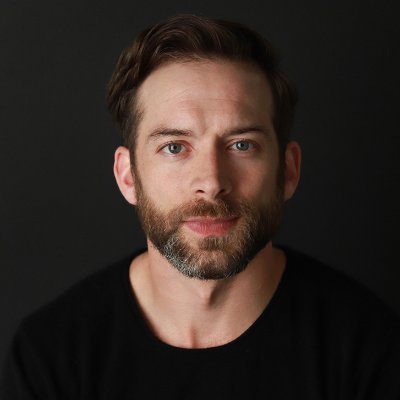
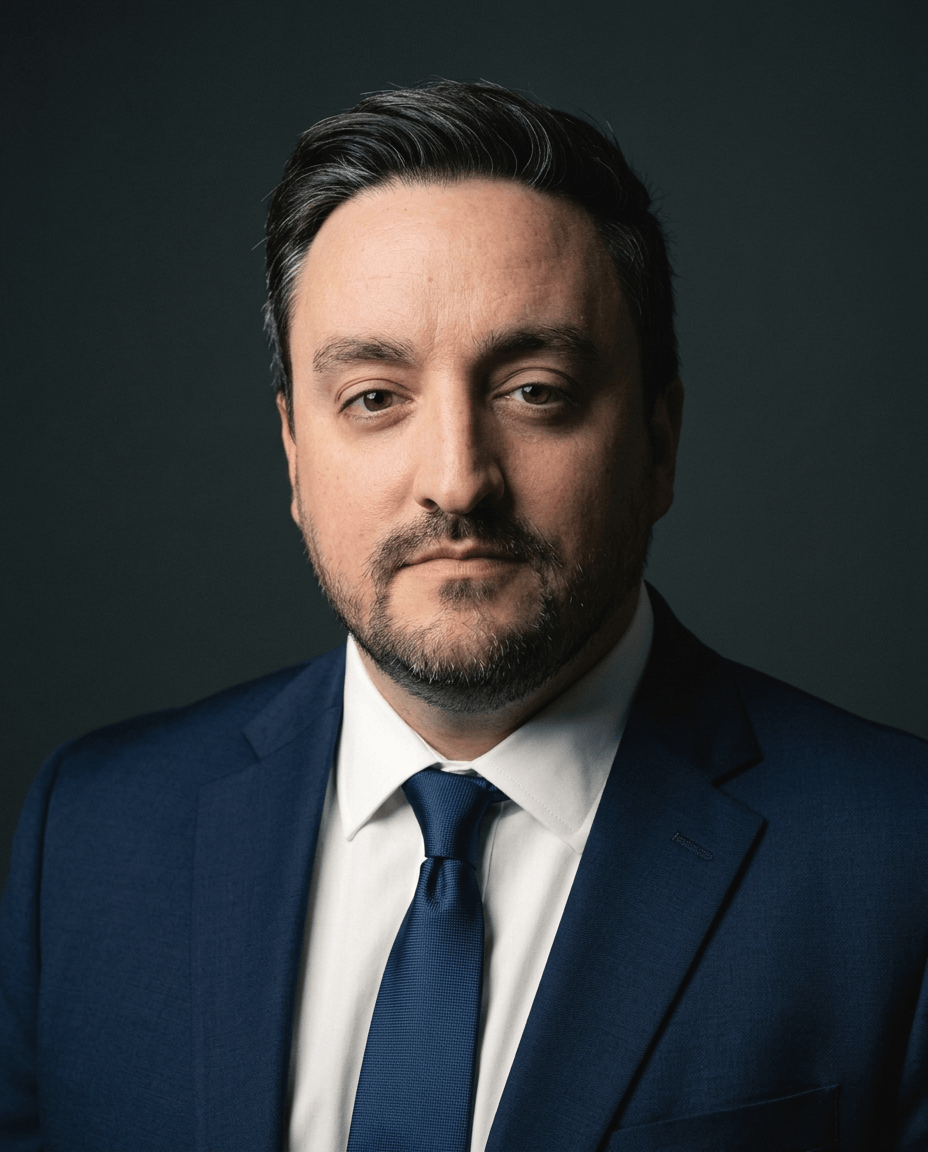
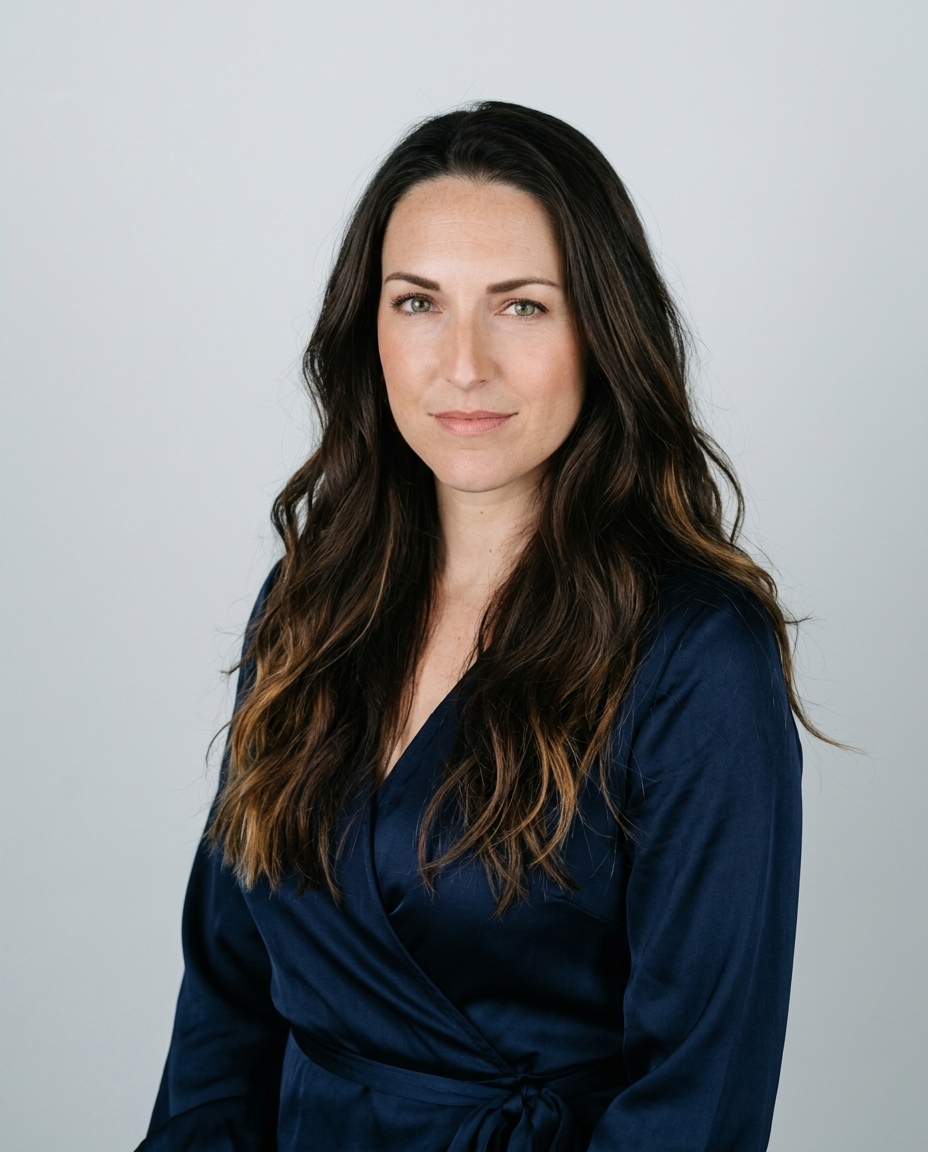
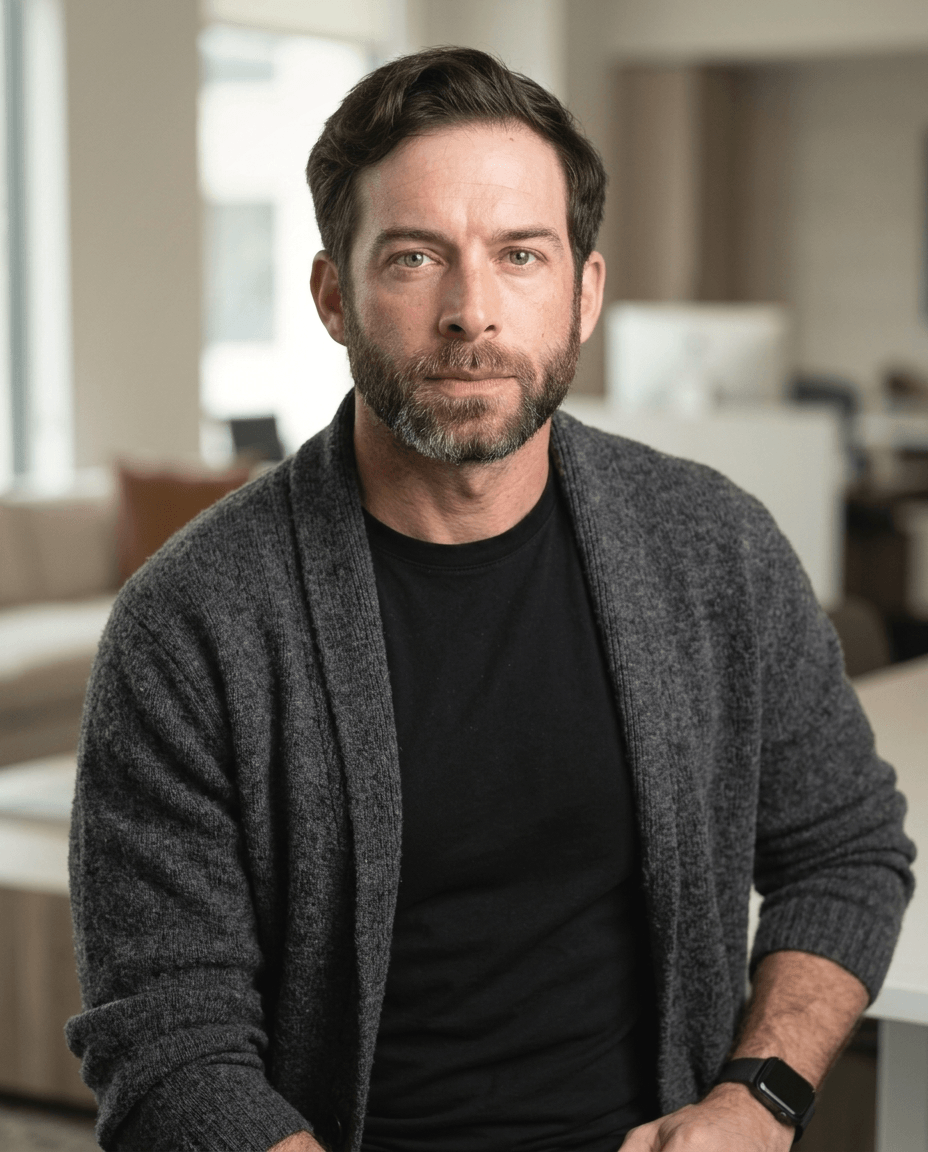
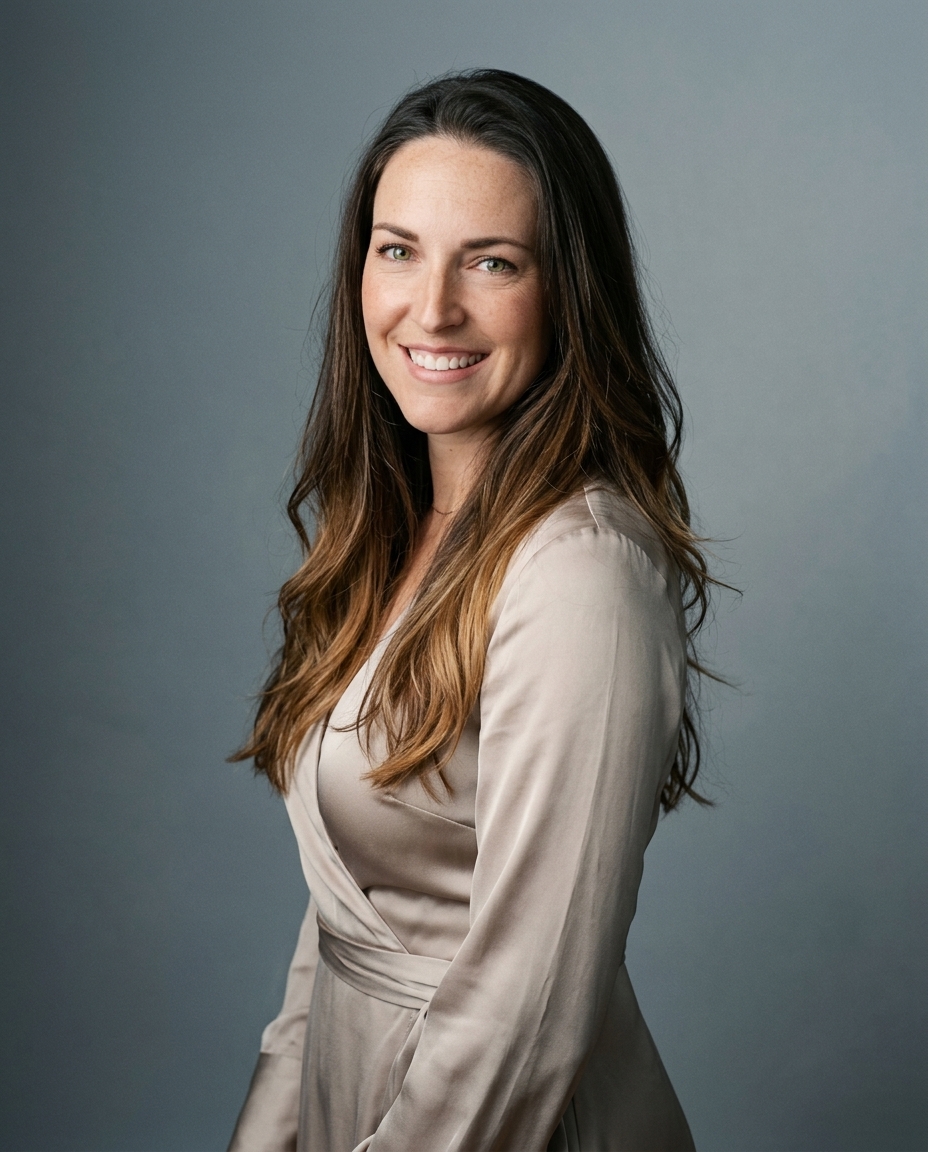
A quick look at examples helps make that standard concrete.
We also care about the trust layer around the product. Customer data retention is clear: 7-day input retention, 30-day output retention, and 90-day billing retention. That's the kind of operational detail companies should ask every vendor for, whether the vendor is an AI tool or a local photographer.
Your headshot preparation checklist
A better workflow won't rescue bad source material. Preparation still matters. The good news is that the basics are simple, and they apply whether you're booking a photographer or using a virtual tool.

Start with wardrobe
Clothes should look like the version of you that a client, hiring manager, or colleague expects to meet. That usually means solid colors, clean lines, and a jacket or top with structure. Busy patterns fight for attention with your face, and wrinkle-prone fabrics read as careless even when everything else is right.
Fit matters more than trend. A well-fitted navy jacket, simple blouse, or crisp shirt will outlast whatever style feels current this quarter.
Wear something you'd choose for an important meeting, not something you'd choose because it "looks professional" on a hanger.
Grooming and expression
Don't try to look transformed. Try to look like your best normal self. Hair should be styled the way you usually wear it in work settings. Makeup, if you wear it, should stay clean and understated. Facial hair should look intentional.
Expression is where many individuals overwork the shot. A corporate headshot doesn't need a giant grin. It needs openness, confidence, and ease. Practice a small smile in the mirror and relax your forehead. That alone fixes a lot.
If you're using a phone for AI input photos
Source photos need variety and clarity. Use good natural light. Face the window instead of standing with the window behind you. Keep the camera clean. Take several angles and a range of expressions, but keep them believable.
If you want more detailed examples of what makes a useful upload set, our selfie prep guide walks through the practical side.
A short mental checklist before you submit or step into a session:
- Clothes first: Pick one outfit that fits well and matches your actual work persona.
- Face and hair: Keep grooming current and natural. Don't experiment the day of the shoot.
- Background awareness: For selfies, choose clean light and a simple setting.
- Expression control: Aim for approachable and alert, not overly serious and not overly animated.
- Consistency for teams: If your company has a dress standard, follow it so the final roster looks intentional.
Booking questions and image licensing
Before you hire a photographer, ask direct questions. Not vague ones.
Ask how many final images are included. Ask whether retouching is bundled or charged separately. Ask how proofs are delivered, how long finals take, and what happens if someone misses the scheduled session. Ask what rights your company receives once the files are delivered.
Licensing in plain English
For most companies, the useful phrase is commercial use. That means the business can use the images on its website, LinkedIn pages, recruiting materials, presentations, speaker bios, and similar business contexts. If a vendor places limits on where the image can appear, get that in writing before you book.
If licensing feels fuzzy in the sales process, it usually gets worse after delivery.
If you're also thinking about photo misuse after publication, a basic understanding of reverse image search for photo security is worth having. It's a practical way to monitor where your images appear online.
For AI-generated business portraits, the same buyer discipline applies. Ask about usage rights, refunds, and data retention. Clear answers matter. Hidden conditions don't.
Upload 10 selfies, see your first headshot in 30 minutes. Compare plans on AiHeadshots or try it directly at AiHeadshots.