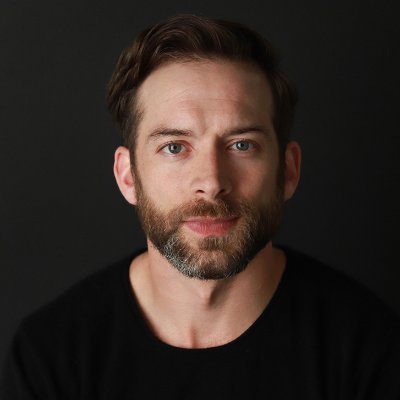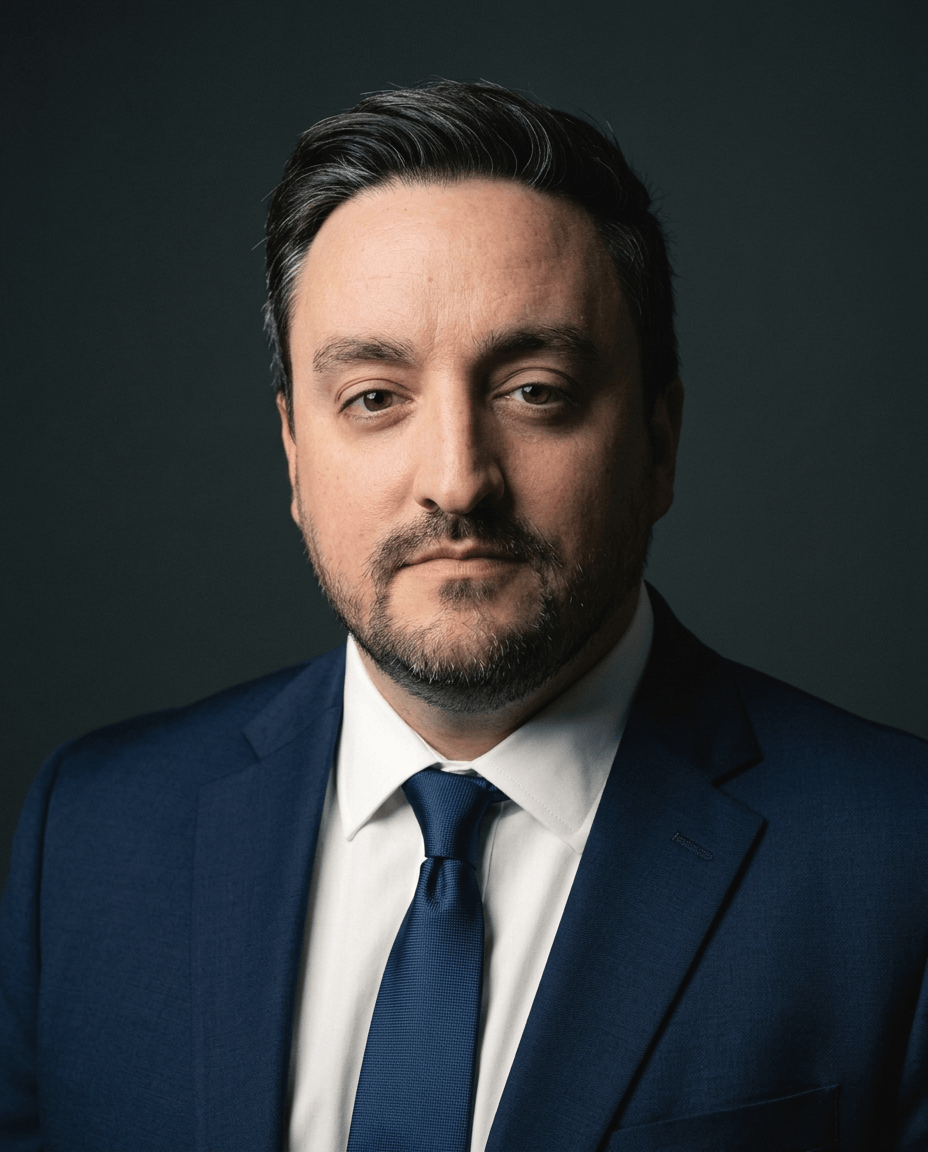
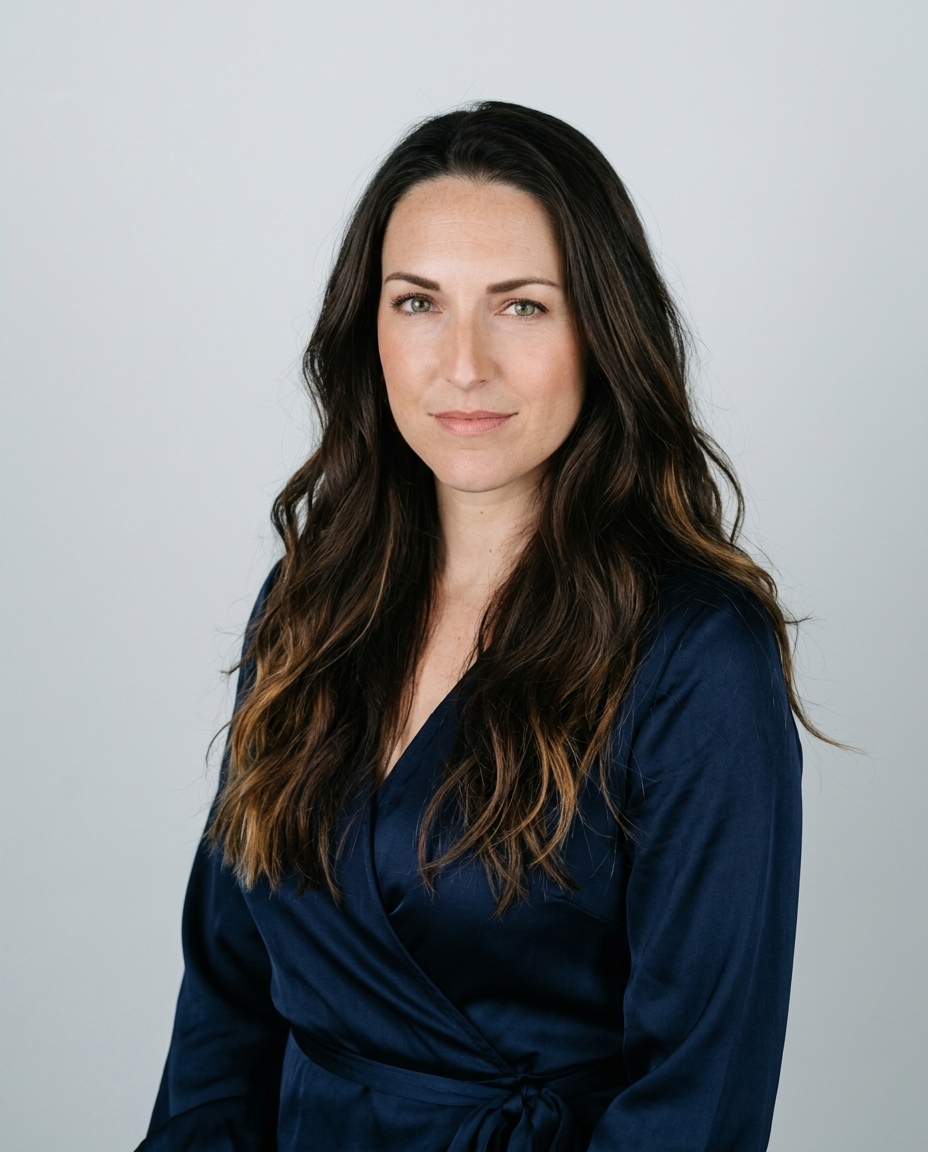
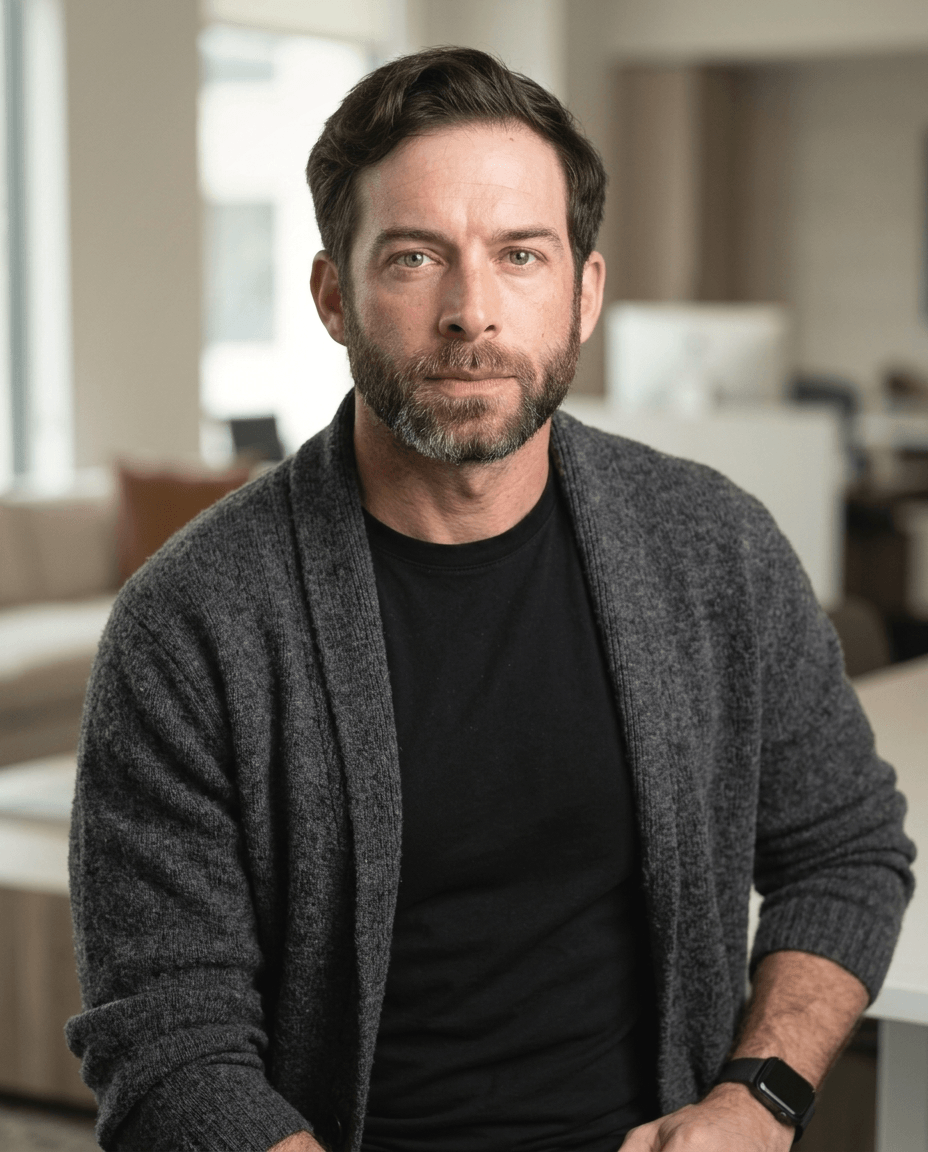
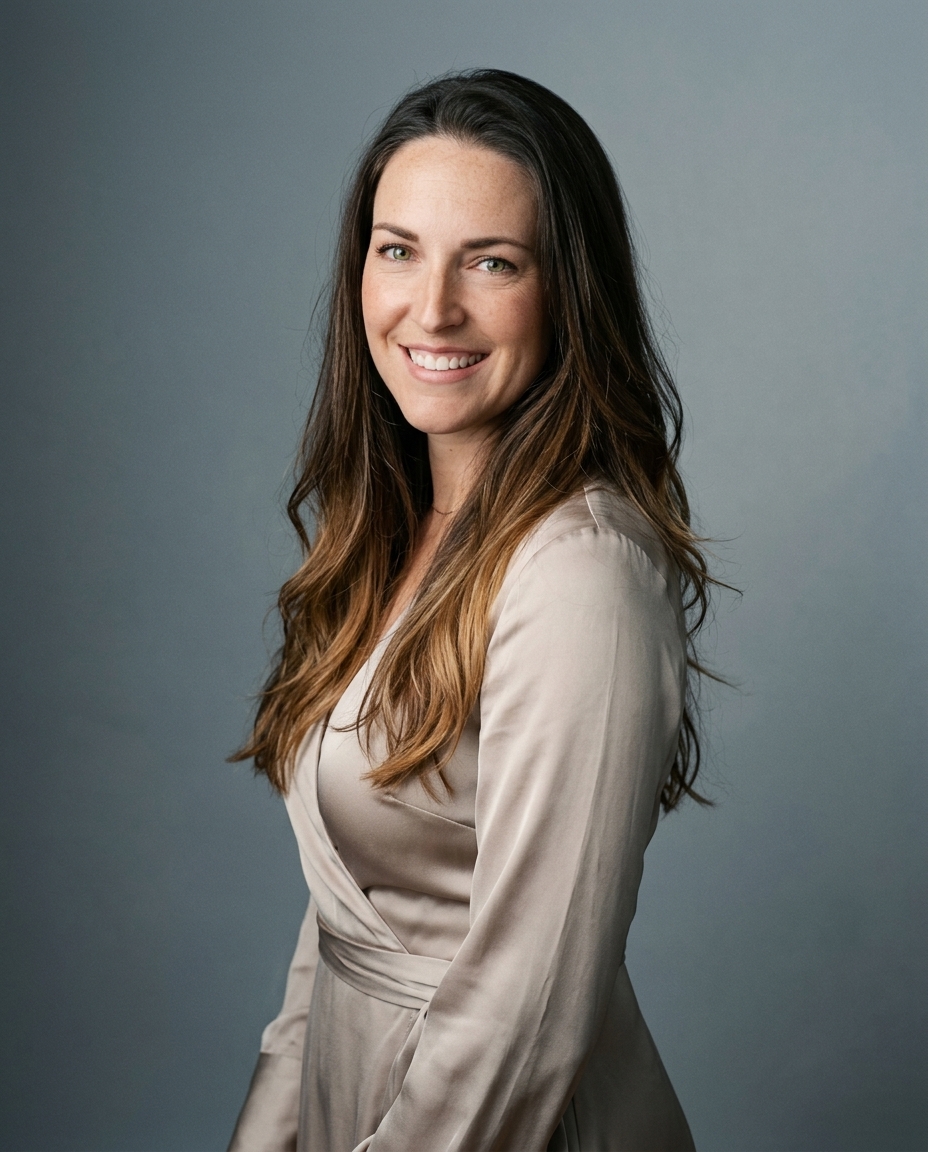

Most professionals shopping for business headshots in Houston assume the hard part is finding a good photographer. It isn't. The hard part is choosing the right format for the job, then paying for the level of control you need.
Houston's market is broad and uneven. A 2026 city pricing study on professional headshots puts the average professional headshot cost in Houston at $150 to $450, with local starting points as low as $99 and executive packages climbing fast once retouching and add-ons enter the picture. That's a healthy market, but it also means people routinely overbuy, underbuy, or choose based on price alone.
We've seen this from both sides. We come out of Studio Pod's Houston photography operation, not a software lab. That perspective matters because the right answer isn't always a studio shoot, and it isn't always AI either. If you're building a stronger public profile, your headshot should sit inside broader strategies for leadership brand development, not act as a random standalone asset. And if you're weighing the business value of paying for a stronger image, our take on the ROI of a professional headshot gives useful context.
Table of Contents
- Your professional headshot is your first impression
- The three types of business headshots
- Your three options studio vs on-location vs AI
- How to choose a Houston headshot provider
- Preparing for your session what to wear and how to pose
- The photographer-built AI alternative
Your professional headshot is your first impression
A business headshot isn't decoration. It's part of how people read your credibility before you speak to them.
In Houston, that reading happens across LinkedIn, firm bios, pitch decks, conference pages, recruiting materials, and internal directories. The image has to do one job clearly. It has to look current, competent, and aligned with the room you're trying to enter.
Why Houston buyers get stuck
The confusion usually starts with mismatched options. One provider sells a fast corporate headshot on a plain backdrop. Another sells a branding portrait with styling and more direction. Another offers event-day team coverage. All of them call it a headshot.
That naming problem leads to bad purchases. A lawyer buys a creative portrait that feels too casual. A startup founder books the cheapest option and gets a stiff image that doesn't fit press use. An HR team schedules individual sessions with different photographers and ends up with a directory that looks patched together.
Practical rule: Buy for usage first, not for the package name.
What a strong headshot actually needs to do
A good business headshot in Houston usually lands in a narrow lane. Clean light. Controlled expression. Good posture. Wardrobe that doesn't pull attention. Enough polish to look intentional, but not so much that the image feels artificial.
What doesn't work is just as consistent. Busy patterns. Over-retouching. Harsh light. Slouched shoulders. Backgrounds that fight with the face. Photos that feel a few years out of date.
The useful question isn't "Who's the cheapest?" It's "What kind of image do I need, and what process gives me that result with the least waste of time and money?"
The three types of business headshots
Most buyers only need one of three categories. Once you know which one you're after, the market gets easier to read.

Corporate and team headshots
This is the most common request. The goal isn't artistic range. It's consistency.
These photos live on company sites, LinkedIn, proposal documents, email signatures, and internal systems. The lighting needs to match from person to person. The crop needs to match. Retouching needs restraint. If one executive looks heavily stylized and everyone else looks flat, the whole set falls apart.
This format works best for firms, medical groups, law offices, brokerages, and larger teams. Efficiency matters as much as image quality.
Executive and branding portraits
This category goes beyond a clean LinkedIn shot. The photo still needs to be professional, but it also needs presence.
That usually means more deliberate wardrobe choices, more expression coaching, stronger background decisions, and a slightly broader set of deliverables. These images are often used for speaker pages, media features, founder bios, investor decks, and personal sites.
A true executive portrait still looks like you on your best day. It shouldn't look like a different person with expensive lighting.
Actor and creative headshots
People in business often make the wrong comparison. Actor headshots and creative portraits serve a different function.
They prioritize range, energy, and casting fit. That's useful if your work depends on showing character types or a more expressive personal brand. It usually isn't the right fit for corporate leadership, accounting, legal, financial services, or healthcare.
The mistake is assuming a great creative headshot automatically works as a business headshot. Often it doesn't. The image can be too stylized, too emotive, or too informal for a conservative professional setting.
Your three options studio vs on-location vs AI
In Houston, the wrong headshot format wastes more money than the wrong photographer. The choice usually comes down to three delivery models: studio, on-location, or AI. Each one solves a different problem, and each breaks down in predictable ways.

Traditional studio photographer
A studio session gives the photographer the most control. Lighting stays consistent. Background choices are deliberate. Posing corrections happen in real time, down to chin position, shoulder angle, posture, and expression. For professionals who feel awkward on camera, that live feedback is often the difference between a usable file and a photo they avoid using.
The trade-off is cost and scheduling. In Houston, individual business headshot sessions often land somewhere around $150 to $450, as noted earlier. Lower-priced packages usually cover a short session, a limited gallery, and one finished retouch. Once you add extra retouched files, rush delivery, hair and makeup, or broader branding use, the total climbs quickly.
Studio is usually the best fit for one person, a small leadership group, or anyone who wants close direction during the shoot.
On-location photographer
On-location headshots are a logistics solution first. They make sense when a company needs ten, twenty, or two hundred people photographed without sending everyone across town.
The value is consistency at scale. A good crew brings lighting, backdrop, tethering, and a repeatable workflow into your office so every employee gets a similar result. That matters for law firms, healthcare groups, brokerages, and corporate teams where the photos need to match.
Houston providers have become more explicit about selling throughput here. Some now market "headshot day" packages built around photographing an entire office floor or full department in a single block, not just making one standout portrait at a time. One local studio model offers same-day in-studio delivery and on-location team headshots, while another commercial option is priced at $850/day in Houston with added licensing and setup tiers.
For one person, that setup is often overkill. For a company, it can be the most efficient option in the market.
| Option | Best for | Main trade-off |
|---|---|---|
| Studio | Individuals and executives | More scheduling and higher per-person cost |
| On-location | Teams and office-wide programs | Best value only when multiple people need matching photos |
| AI | Individuals needing speed and low friction | Depends on good input photos and the right service |
If you want a more detailed breakdown of AI headshots vs photographer, that comparison covers where each workflow performs well and where it falls short.
A quick visual example helps if you're comparing delivery styles in practice.
Photographer-built AI
AI is the third option, and it deserves a more honest explanation than it usually gets.
Pure AI companies tend to imply it replaces photographers. Traditional photographers often dismiss it as fake or unusable. Neither view is very helpful. We built an AI system as working photographers, so the answer is simpler. AI is excellent for a specific kind of job and a poor fit for others.
AI works well when you need a polished business portrait fast, you do not want to book a session, and the image is mainly for LinkedIn, a company profile, a speaking page, or internal use. It removes travel, booking friction, studio time, and most of the cost. Our own starting point is $29, which sits far below what a custom Houston photo session typically costs.
The weakness is control at capture. AI cannot walk over and fix your jacket, adjust your posture, coach your expression, or build a custom office portrait for your leadership team. If you need environmental portraits, group consistency created from one live setup, or highly specific art direction, hire a photographer.
If you need one strong professional image quickly, AI can be the smarter buy. If you need a photographer's judgment during capture, use a human photographer.
How to choose a Houston headshot provider
The provider matters less than the provider's consistency. That's what separates a polished result from a portfolio built on a few standout images.
Look for repeatability, not one hero photo
Anyone can show one excellent portrait. The true test is whether the tenth, twentieth, and fiftieth image look equally controlled.
Check for the same quality across age ranges, face shapes, wardrobe choices, and industries. In business headshots Houston buyers often focus too much on backdrop style and not enough on repeatability. If the lighting shifts wildly from person to person, that's a warning sign. If every expression looks forced, that's another.
Review the full set the way an HR director would, not the way an art director would.
Match the style to the role
Different professions need different levels of polish and warmth. A trial lawyer usually needs something more restrained than a residential realtor. A consultant needs clarity and authority. A founder often needs a little more personality without drifting into casual.
You should be able to look at a provider's portfolio and say, "This person understands my lane." If every image feels identical regardless of the subject, the service is probably too template-driven for nuanced professional use.
Check for authentic representation
Experienced photographers stand out. Generic advice treats everyone the same. Good providers don't.
In a diverse city like Houston, authentic representation is part of technical skill. Guidance on photographing an authentic self points to the issue. Strong photographers adapt lighting and posing guidance to capture credibility and approachability for professionals of different backgrounds, skin tones, and leadership styles. That's not extra polish. That's the work.
If you want a Houston-specific option built around that professional use case, see our Houston headshot page.
Preparing for your session what to wear and how to pose
Most headshot problems start before the shutter. Wardrobe and posture do more damage than people think.

Wear clothes that keep attention on your face
Solid colors usually win. Subtle texture is fine. Loud patterns, thin stripes, and logos usually don't belong in a business headshot.
Jackets help shape the shoulders. Neat collars help frame the jawline. Choose something you'd wear to an important meeting, not something you'd wear only for photos. If the outfit feels like costume, the expression usually follows.
A few practical rules matter most:
- Choose structure: Blazers, collared shirts, and clean necklines photograph better than soft, shapeless fabrics.
- Stay within your professional lane: A real estate agent can often go a little brighter than a litigation partner.
- Keep grooming current: The goal is to look like yourself on a strong workday, not a heavily produced version of yourself.
Pose for shape and confidence
Individuals don't need a dramatic pose. They need small corrections. Sit or stand tall. Bring the forehead slightly forward. Relax the mouth. Turn the shoulders a little instead of facing the camera completely flat.
Hands usually aren't part of a tight business headshot, so your posture has to carry the frame. Good posing creates jawline definition, opens the eyes, and makes the subject look engaged rather than frozen.
Small changes in chin position and shoulder angle often matter more than expensive wardrobe upgrades.
Why technical control matters
A professional headshot looks crisp because the photographer controls the light and camera settings carefully. One technically sound headshot workflow uses a controlled key light, a subtle rim light, a relatively closed aperture around f/6.3, ISO 100 to 125, and shutter speeds around 1/160 to 1/200 s. That combination keeps the face and shoulders in focus, suppresses ambient contamination, and preserves sharp detail.
You don't need to memorize the settings. You do need to recognize the result. The eyes should look clear. The skin should look even. The shoulders shouldn't fall out of focus. If the image looks soft or patchy, the setup probably wasn't under control.
The photographer-built AI alternative
AI is the right tool more often than many photographers admit, and less often than many AI companies claim.
For a single polished image for LinkedIn, a company bio, or a speaker profile, AI can be the efficient choice. For a press package, team consistency across dozens of employees, or portraits that show your office and personality, a photographer still does the better job. The practical question is simple. Do you need one strong headshot fast, or do you need a custom photo session with full creative control?
Our perspective is different because we built the AI from the photography side. Studio Pod's photography operation has served 41,000+ customers across 8 studios in Houston, Chicago, and beyond, using a controlled system for producing business headshots at scale. That experience shaped AiHeadshots directly. It trained our standards for flattering light, clean corporate crops, natural retouching, and the expressions that read as credible in professional settings. Those details sound small until you compare outputs. They are usually the difference between a headshot that looks usable and one that looks synthetic.

AiHeadshots uses 10 to 20 phone selfies to generate 30+ studio-grade headshots in about 30 minutes, starting at $29. It includes a 100% money-back guarantee within 14 days. That makes it a strong fit for busy professionals who want a clean, corporate-ready result without spending time on scheduling, travel, wardrobe changes, and studio fees. If you want an outside view on how human-made and AI-made portraits are judged, AI Image Detector's insights offer a useful comparison.
For professionals who need quality, speed, and a lower-cost option than a live session, AiHeadshots is a practical alternative built by photographers who have spent years defining what works in this market. You can see how the system handles real outputs on our about page.
Upload 10 selfies, see your first headshot in 30 minutes, starting at $29 with AiHeadshots.