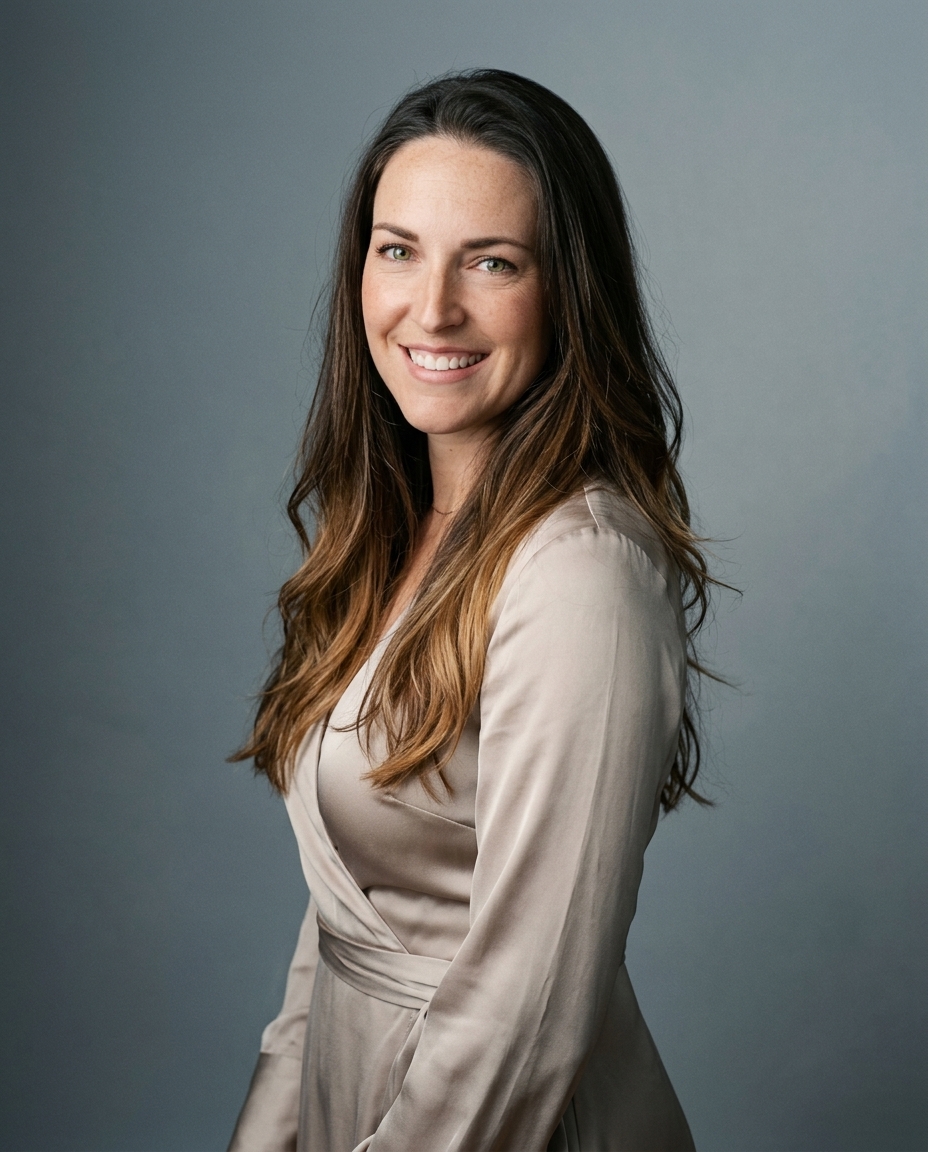

Most best photo ai lists rank tools by feature checklist. That misses the decision. A working professional does not need a catalog of buttons. You need to know what a tool replaces, a shoot day, a few hours of retouching, a reshoot, or the background cleanup you keep postponing.
That's the standard here. The strongest current benchmark for image quality is also human, not vendor-driven, with GPT Image 2 leading Artificial Analysis' image arena in June 2026 at Elo 1338, about 64 points ahead of the next model in blind voting, and first in llm-stats' blind-vote arena with more than 16,000 votes according to Techsy's June 2026 roundup. That matters because “best” is being judged by people looking at finished images, not by marketing copy. For headshots in particular, the market has also moved from novelty to practical use, with the AI headshot market estimated at $420 million in 2025 and professional adoption rising from 8% in 2021 to 58% in 2025, while AI headshots cost about $25–35 versus $150–650 for traditional photographers, per Morphed's headshot statistics.
We've run an automated studio in Houston for years, and we've shot more than 10,000 real professionals in person at Studio Pod. That makes the comparison between “AI does it” and “I do it with a camera” practical, not theoretical. The list below is organized by workflow replacement, with pricing, delivery, and data handling called out where they matter.
Table of Contents
- 1. AiHeadshots
- 1. AiHeadshots
- 2. Adobe Photoshop with Firefly generative AI
- 3. Topaz Photo AI
- 4. Luminar Neo
- 5. Remini AI Photo Enhancer
- 6. Canva photo AI features
- 7. PhotoRoom
- 8. Pixelcut
- 9. HeadshotPro
- 10. Aragon AI
- Top 10 Photo AI Tools, Quick Comparison
- Pick your starting point and where to go next
1. AiHeadshots
For the headshot job, AiHeadshots is the sharpest fit because it replaces the thing most professionals are trying to avoid, a studio booking. Built by photographers Joseph West and Chris Bailey from Studio Pod, the automated headshot studio in Houston that has shot 10,000+ real professionals since 2019, it comes from people who built a camera workflow first and software second. That background matters. We're photographers who built an AI, not a software team retrofitting open models.
AiHeadshots asks for 10 to 20 phone selfies, then turns them into 30+ studio-grade headshots in about 30 minutes. The tiers are simple. Basic is $29, Professional is $39, Executive is $59, and Teams starts at $22 to $29 per seat at 10+ seats. The product also carries a 100% money-back guarantee within 14 days, plus data retention windows of 7 days for inputs, 30 days for outputs, and 90 days for billing records. Those terms are unusually clear in a category where trust and likeness control matter.
Practical rule: If the image needs to look like you, in a credible professional setting, AiHeadshots is the first stop. If you need a stylized portrait, a composite, or heavy scene building, use a full editor instead.
For teams that care about white backgrounds and consistent profile photos, the workflow is straightforward. Start with the selfie set, then use the output that matches your use case, whether that is LinkedIn, a company site, or a speaker page. If you need a plain backdrop, the background-replacement guide on how to change a photo background to white fits the same workflow.
Why it wins the headshot workflow
It replaces the parts that cost time in a real headshot session, the booking, the travel, the posing setup, and the retouching back-and-forth. A photographer can still beat AI on lighting control and art direction for a custom campaign, but that is a different job. For routine professional headshots, AiHeadshots gives you usable options fast without requiring a full shoot day.
The trade-off is control. You are not directing every frame, and you should not expect the same level of exact pose correction you would get from an in-person session. What you get instead is speed, low friction, and enough variety to choose a clean result without booking a studio. That is the right exchange for most profile-photo use cases.
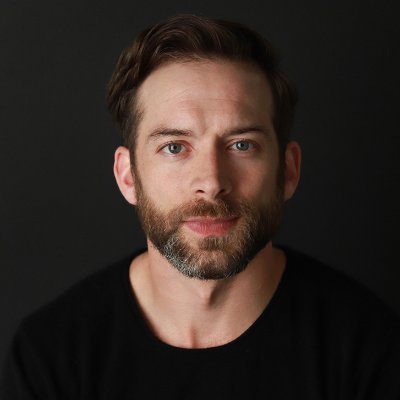
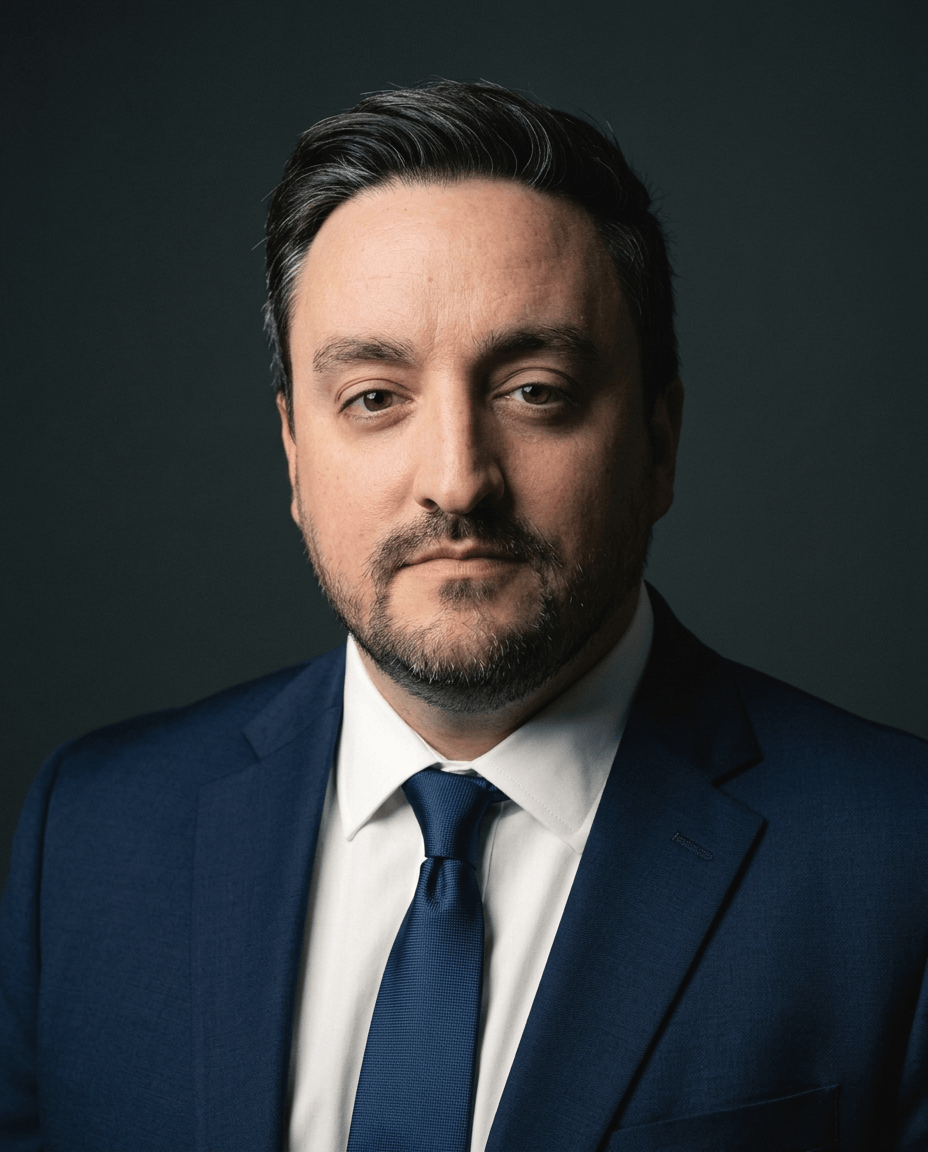
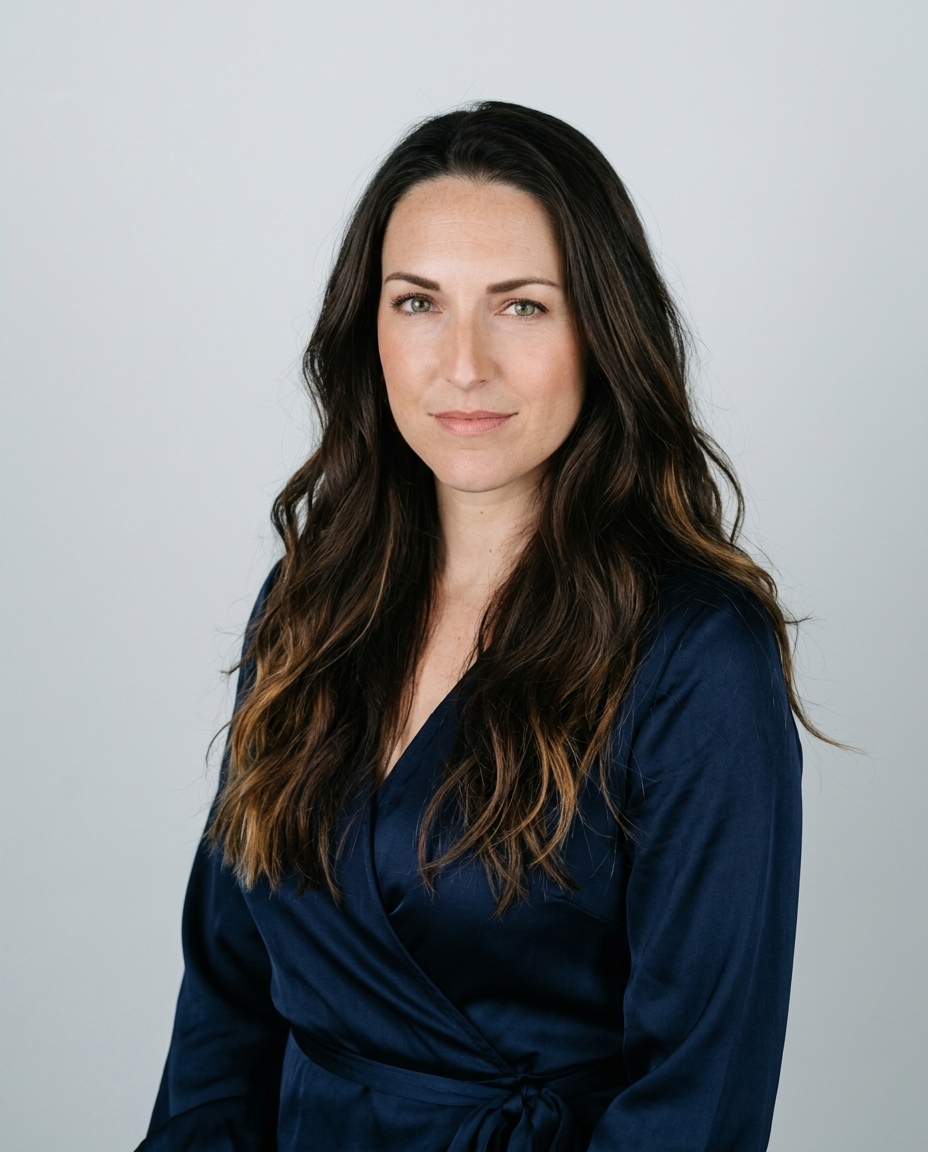
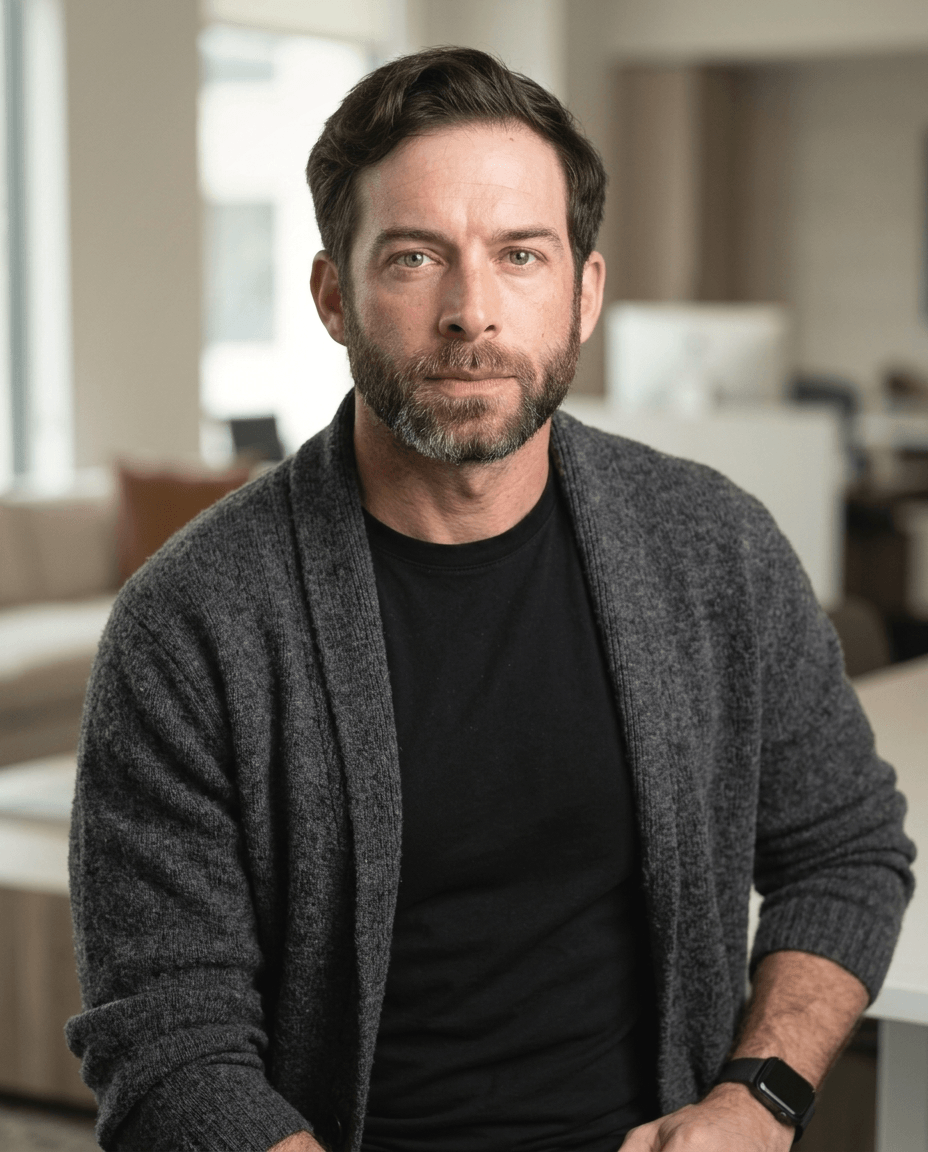
The pricing page is where the cost structure is easiest to compare, and the examples page shows the range of outputs without needing to guess from feature claims. You can review the AiHeadshots pricing details and the example headshots gallery to judge whether the finish matches your standard.
1. AiHeadshots
For the headshot job, AiHeadshots is the sharpest fit because it replaces the thing most professionals are trying to avoid, a studio booking. Built by photographers Joseph West and Chris Bailey from Studio Pod, the automated headshot studio in Houston that has shot 10,000+ real professionals since 2019, it comes from people who built a camera workflow first and software second. That background matters. We're photographers who built an AI, not a software team retrofitting open models.
AiHeadshots asks for 10 to 20 phone selfies, then turns them into 30+ studio-grade headshots in about 30 minutes. The tiers are simple. Basic is $29, Professional is $39, Executive is $59, and Teams starts at $22 to $29 per seat at 10+ seats. The product also carries a 100% money-back guarantee within 14 days, plus data retention windows of 7 days for inputs, 30 days for outputs, and 90 days for billing records. Those terms are unusually clear in a category where trust and likeness control matter.

Practical rule: If the image needs to look like you, in a credible professional setting, AiHeadshots is the first stop. If you need a stylized portrait, a composite, or heavy scene building, use a full editor instead.
Why it wins the headshot workflow
The trade-off is straightforward. AiHeadshots replaces the scheduling problem, the commute, the studio setup, and most of the first-pass retouching. It doesn't try to be a do-everything editor. That restraint is the point. Professionals buying headshots usually want consistency across LinkedIn, company pages, recruiting profiles, and email signatures, not artistic experimentation.
For teams, the use case gets stronger. Uniform background styles, repeatable lighting, and a clean admin flow are more useful than endless customization. If you need proof before you buy, see the pricing page, browse real examples, and read the studio-backed story on About.
2. Adobe Photoshop with Firefly generative AI
Photoshop still replaces the deepest part of a retouching workflow. It's the tool you reach for when the photo is already close, but the last mile matters. Adobe's AI stack includes Generative Fill, Generative Expand, and Neural Filters, and that split tells you exactly what it does. Generative Fill adds or removes content by prompt, Generative Expand widens the frame, and Neural Filters handle face and expression edits, according to Adobe-focused professional editor roundups.
That makes Photoshop the right answer when you're not generating from scratch. You're repairing edges, cleaning distractions, changing backgrounds, or adjusting a portrait that already has the right subject and expression. It also stays valuable because the AI sits inside a professional editor that still does masking, color, and finishing work better than simpler one-click apps.
The trade-off is complexity. Generative credits and plan tiers can confuse new users, and the full Creative Cloud stack costs more than single-purpose apps. But for agencies, in-house design teams, and photographers who need precise control, Photoshop still replaces several separate tools in one place. If you're changing a background to white for a corporate site, this background workflow guide shows the kind of clean, production-ready result Photoshop is built for.
Where Photoshop fits
Use Photoshop when the image needs judgment, not just speed. It's the best fit for a photographer or retoucher who already knows what the final frame should look like and wants the controls to get there without flattening the image into an overprocessed look. It is not the fastest option for headshots. It is the most flexible option for finishing them.
3. Topaz Photo AI
Topaz Photo AI replaces the rescue job. It's the tool for the file you wish had been shot cleaner, sharper, or with better light. That means soft focus, high ISO noise, motion blur, and older portraits that need recovery before anyone can use them. In a pro workflow, that saves a reshoot when the subject is gone, the deadline is close, or the original capture is the only capture you have.
Topaz is strongest when the issue is technical quality rather than appearance. Its value is in denoising, sharpening, deblurring, and upscaling, especially for portrait work that needs facial detail brought back without obvious artifacts. That makes it useful for headshots that came in marginal, or for legacy images that need to be brought up to modern standards. The product is also commonly used as a standalone app or as a plugin, which matters if your workflow already lives in Lightroom or Photoshop.
A rescue tool should make a bad file usable. It should not make every file look like it went through the same sharpening preset.
The downside is operational. Large model downloads and GPU demands can slow some systems down, and the 2026 subscription changes created confusion for legacy users. That matters if you're picking a tool for a team, because a rescue app should be boring to maintain. If you want a broader comparison with production retouching tools, the professional photo retouching software guide is the right adjacent read.
4. Luminar Neo
Luminar Neo replaces a lot of the fast creative work that used to sit between raw processing and final delivery. Its AI feature set is broad and specific, including Sky AI, Relight AI, NoNoise AI, Portrait AI, GenErase, GenSwap, and GenExpand, with coverage noting the 2026.4 release added better subject/background masking, perspective correction, film-negative inversion, cinematic depth lighting, and more creative filters according to Unite.ai's updated roundup. That list tells you what it's for. Cleanup, relighting, replacement, portrait polish, and canvas expansion.
The strongest use case is speed with enough control. Luminar Neo is easier to learn than Photoshop, and that matters for solo creators or small teams that need finished images fast without building a retouching department. It handles portrait-oriented tasks like face and skin work, but it also extends beyond headshots into broader branding and environmental edits. If you work with a mix of people shots and location imagery, that mix is useful.

What it replaces in practice
Luminar Neo replaces the long chain of small adjustments that usually eat time after the shoot. You can relight a face, pull down a distracting background, remove an object, and push a portrait toward a cleaner finish without bouncing between tools. It is not as deep as Photoshop, and it does not try to be.
The trade-off is that plan and pricing changes have frustrated some users, so you need to verify the current terms before committing. For photographers who want a simpler editor that still does real AI work, it earns a place on the list.
5. Remini AI Photo Enhancer
Remini replaces the quick salvage pass on a phone image. It's the mobile-first answer for someone who has a selfie, a slightly soft portrait, or a casual photo that needs to look more presentable fast. That makes it popular with people who are not photo editors and do not want to become one. The workflow is direct, the processing is quick, and the learning curve is close to zero.
The upside is convenience. If you need a cleaner face detail pass or a faster improvement on an average phone shot, Remini gets you there with minimal friction. It works across web and mobile experiences, which keeps it accessible when the image lives on your phone rather than in a pro library. The risk is overprocessing. Push it too far and the result starts to look artificial. That's the cost of one-tap enhancement.

Use it for salvage, not invention. Remini works when you already have a usable frame and need a cleaner version. It does not replace a real portrait session.
For professionals, this is the least nuanced option in the group, but that's also why it belongs here. It replaces hesitation. You open the app, improve the photo, and move on. That's useful for internal profiles, quick social posts, and anything that needs to look better without turning into a production task.
6. Canva photo AI features
Canva replaces the design layer around the photo. It's not the tool for deep facial retouching, but it's strong when you need headshots, team photos, or client portraits placed into branded layouts without handing the job to a designer. The AI photo tools, including Magic Edit and the background remover, fit naturally into the broader brand-kit and template system.
That combination is why HR and marketing teams use it. You can standardize images, keep layouts on brand, and hand approvals to non-designers without losing control of the output. For internal directories, company pages, announcement graphics, and campaign assets, Canva often replaces a mix of email threads, manual resizing, and light design work.

- Best for non-designers: The interface stays simple enough that teams can move fast without learning a full editor.
- Best for consistency: Brand kits and templates keep headshots and photo crops aligned across assets.
- Not best for deep retouching: If you need delicate skin work, precise masking, or facial repair, use a pro editor or headshot tool first.
The trade-off is depth. Canva does plenty, but it is not the strongest place for finish-level retouching. It's the place where polished photos become usable business assets.
7. PhotoRoom
PhotoRoom replaces the background and batch workflow. That makes it a strong fit for e-commerce, marketplaces, and teams that need consistent product or portrait images at scale. Its background remover, AI backgrounds, relighting, batch editing, brand kit, Shopify integration, API, and enterprise options all point to the same job, fast image normalization across lots of assets.
The value here is automation. Instead of polishing one image at a time, you can move through a catalog, standardize presentation, and keep output consistent. That matters for product photography, but it also works for portrait-heavy team workflows where speed and repeatability matter more than artistic variation. On paid tiers, the core background tools often don't consume credits, which is a practical detail for high-volume users.

For the pro photographer, PhotoRoom is less about craftsmanship and more about throughput. It replaces repetitive cleanup and background management. It does not replace the final eye of a retoucher, but it removes a lot of the repetitive work that slows teams down.
8. Pixelcut
Pixelcut replaces the small-team production queue. It's aimed at people who want background removal, upscaling, generative fill, batch exports, and collaboration without building a more complicated editing stack. The appeal is predictability. Paid plans include unlimited background removal and upscaler use, while monthly AI credits and team seats are laid out in a way that's easier for non-technical users to understand.
That clarity matters for busy teams. If your marketing lead, ops manager, or founder needs to move images through a shared workflow, Pixelcut keeps the process simple enough to use daily. It is also useful for smaller brands that want repeatable output without the overhead of a full desktop suite.

The limitation is depth. Pixelcut covers a lot of common jobs, but it does not reach the retouching control of Photoshop or the studio specificity of a photographer-built headshot system. It replaces convenience work, not high-touch finishing.
9. HeadshotPro
HeadshotPro replaces the corporate batch headshot process. It is built for business use, not avatar-style novelty, and that focus shows up in the standardized lighting, background options, and team workflows. For HR, ops, and company rollouts, that matters more than creative range. You want portraits that look like they belong on the same website, with the same tone and level of polish.
The product is useful when you need predictable per-person pricing and a straightforward intake process. It handles group workflows well, which makes it a practical choice for organizations trying to standardize profiles across a company page or a recruiting platform. The trade-off is control. You get less post-edit freedom than a full editor, and some results can feel templated if you do not curate them carefully.
For a side-by-side read on professional headshot choices, see the best professional headshots guide. It is a useful adjacent comparison if you are deciding between a headshot service and a broader editing tool.
10. Aragon AI
Aragon AI replaces the one-time headshot refresh. It's aimed at people who want polished, business-ready portraits without managing subscriptions or credits. That package-based approach is clean. You pay for a bundle, upload your intake photos, and receive a set of outputs without having to think like a production manager.
That makes Aragon appealing for individual professionals who want a quick reset on their online presence. The interface is built for non-technical users, and the emphasis is on realistic portraits that read as “looks like me.” That's the right goal for business images. It also makes Aragon a reasonable option for teams that do not want a more complex platform relationship.

The trade-off is control after generation. Compared with full editors, you have fewer on-platform adjustment options, so you'll want to review and curate the final set carefully. Aragon fits the one-off refresh job. It doesn't try to be your broader editing system.
Top 10 Photo AI Tools, Quick Comparison
| Product | Core features | Quality | Price / Value | Target audience | Unique selling point |
|---|---|---|---|---|---|
| AiHeadshots 🏆 | Studio‑grade lighting & retouch; 30–70 outputs; team admin; brand styles | 4.9★, realistic, high‑res | 💰 From $29; packs $29/$39/$59; teams from $29/user; commercial rights included | 👥 LinkedIn pros, execs, teams, actors, recruiters | ✨ Studio Pod‑trained AI; fast turnaround; 14‑day refund & free regenerations |
| Adobe Photoshop (Firefly) | Generative Fill/Remove/Expand; text→image; CC integration | ★★★★★ (studio workflow) | 💰 Creative Cloud subscription; generative credits vary | 👥 Photographers, retouchers, agencies, enterprises | ✨ Full pro control + enterprise IP governance |
| Topaz Photo AI | Denoise, sharpen, deblur, upscaling; face recovery models | ★★★★☆ (rescue specialist) | 💰 Single‑app or bundles; clear subscription options | 👥 Photographers needing restoration and salvage | ✨ Best‑in‑class detail recovery for low‑light/soft images |
| Luminar Neo (Skylum) | GenErase/Swap/Expand; Portrait suite; relighting tools | ★★★★☆ (easy pro results) | 💰 One‑time/plan options, verify current 2026 terms | 👥 Creators, marketers, non‑pro photographers | ✨ Fast, approachable portrait tools with relighting |
| Remini (AI Photo Enhancer) | Face enhancement; web & mobile; one‑tap workflows | ★★★☆☆ (fast mobile fixes) | 💰 Affordable mobile subscriptions; platform entitlements differ | 👥 Casual users wanting quick selfie upgrades | ✨ Extremely fast face detail recovery on mobile |
| Canva (Photo AI in Pro/Business) | Magic Edit, background remover, brand kits & templates | ★★★★☆ (design + photo) | 💰 Pro/Business tiers; AI Pass add‑on for heavy use | 👥 HR/marketing teams, non‑designers | ✨ Templates + team/brand controls for scaled output |
| PhotoRoom | Accurate bg removal; AI Backgrounds; batch, API & Shopify | ★★★★☆ (automation focused) | 💰 Paid tiers; some AI features use credits | 👥 Marketplaces, e‑commerce & ops teams | ✨ Fast batch + API for automated, large‑scale workflows |
| Pixelcut | Unlimited bg removal (paid); upscaler; batch exports & credits | ★★★☆☆ (utility) | 💰 Clear plans with monthly AI credits; good small‑team value | 👥 Small teams, creators, product sellers | ✨ Predictable credits + unlimited bg removal on paid plans |
| HeadshotPro | Batch headshots; outfit/background combos; team & volume pricing | ★★★★☆ (business‑oriented) | 💰 Per‑person / volume pricing with discounts | 👥 HR/ops standardizing company headshots | ✨ Built for business rollouts and predictable team results |
| Aragon AI | Package bundles; simple web intake; realistic business looks | ★★★☆☆ (one‑time refreshes) | 💰 Per‑package pricing; frequent promotions | 👥 Individuals & teams wanting simple packages | ✨ No subscription/credit complexity; straightforward checkout |
Pick your starting point and where to go next
If the photo you need right now is a polished headshot, AiHeadshots is the fastest path. Upload 10 phone selfies, pick your styles, and see your first finished headshot in about 30 minutes. Pricing starts at $29 for Basic, moves to $39 for Professional, and $59 for Executive, with Teams at $22 to $29 per seat for 10+ users. The package also includes a 14-day money-back guarantee and free regenerations if the result misses the mark.
If you're deleting a different part of the workflow, choose accordingly. Photoshop replaces deep retouching hours. Topaz Photo AI replaces a reshoot you can't justify. Luminar Neo replaces the fast creative pass. Remini handles a quick salvage job. Canva, PhotoRoom, and Pixelcut replace the team-side cleanup and layout grind.
For proof before you buy, browse real results at examples, read verified customer feedback at reviews, and compare plans on pricing. If you want a photographer-built system instead of a generic generator, try AiHeadshots and see what your own selfies turn into.
Upload 10 selfies, see your first headshot in about 30 minutes, and choose the tier that fits your workflow. If you need a studio-grade professional photo without booking a studio, visit AiHeadshots and start with the result, not the retouching queue.