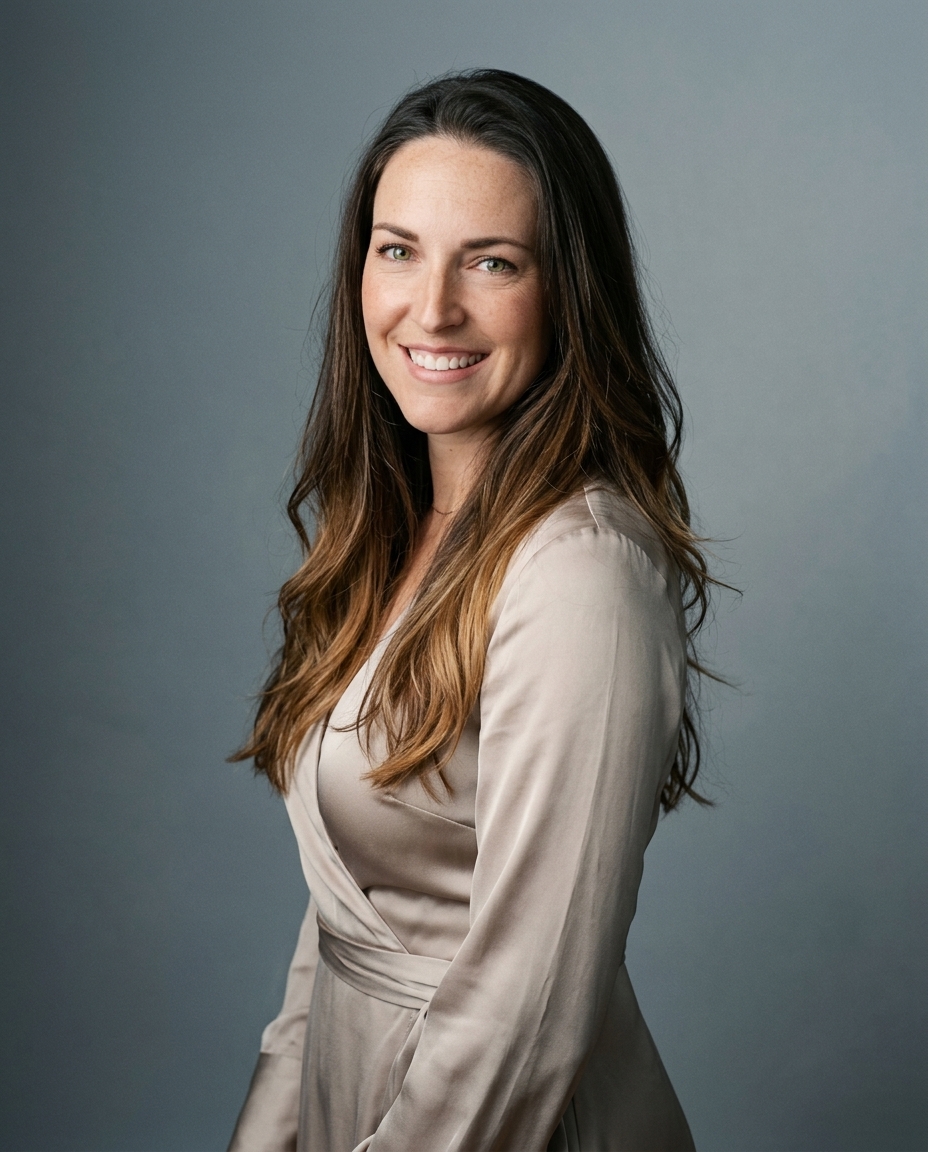

AI photography software is already a real business category, not a novelty. The global AI photography market reached USD 2.85 billion in 2024 and is projected to reach USD 8.95 billion by 2033, expanding at a 13.6% CAGR according to DataHorizzon Research's AI photography market analysis. That shift matters because professionals aren't buying effects. They're buying dependable images, faster turnaround, and repeatable quality.
The confusion starts with the label. Some tools edit. Some generate. Some upscale. Some produce headshots from selfies. If you treat them as one category, you'll compare the wrong things and pick the wrong tool.
Table of Contents
- Introduction to AI photography software
- Understanding AI photography software
- Core technologies and workflows
- Key features and evaluation criteria
- Real world use cases
- How to choose and implement a solution
- Conclusion and next steps
Introduction to AI photography software
AI photography software uses machine learning to perform photography tasks that used to require a camera session, manual retouching, or both. Depending on the tool, that can mean noise reduction, sharpening, upscaling, background replacement, portrait generation, or full headshot creation from casual selfies. The key point is simple. It isn't one thing.
For professionals, the useful question isn't “Is AI good?” It's “Which part of the photography workflow is this software replacing, and what standard does it need to meet?” A wedding editor needs one answer. A law firm rolling out staff headshots needs another. A marketing team maintaining visual identity across employee portraits needs a stricter answer than either.
Practical rule: Judge AI photography software the same way you'd judge an assistant in your studio. What task does it handle. How consistently does it handle it. And where does human taste still need to step in.
That's where a lot of buyers get tripped up. They compare a portrait generator to an editing utility, or they evaluate realism without evaluating consistency. In practice, consistency is often the harder standard.
Understanding AI photography software
From studio craft to software logic
A traditional portrait session runs on control. You shape light. You choose lens perspective. You direct posture. You retouch with restraint. Good AI photography software tries to replicate those decisions in code, then deliver them in a repeatable way from everyday input photos.
That sounds abstract until you map it to the studio. Your uploaded selfies act like source captures. The software reads facial structure, angle, expression range, hair behavior, and skin detail. Then it generates or edits images to simulate the controlled conditions a photographer would normally create on set.

If you're evaluating tools beyond headshots, it's useful to explore WearView's AI visual creation tools. Product photography exposes a similar truth. The software isn't just making pictures. It's trying to reproduce lighting logic, material behavior, and commercial consistency.
Why photographer heritage changes the result
This is the part most software comparisons miss. Photography quality doesn't start with code. It starts with taste, standards, and repeated exposure to real-world shoots. Tools built around actual studio practice tend to make better decisions about what a professional image should look like.
Studio Pod's press materials describe AiHeadshots as a product built by photographers in Houston who have photographed over 10,000 real professionals since 2019, founded by Joseph West and Chris Bailey, as detailed on the AiHeadshots press page. That matters because photographers don't train for “good enough realism.” We train for facial balance, believable light direction, wardrobe fit, and clean retouching that still looks human.
Software built from photography workflows usually solves different problems than software built from model demos. It cares less about showing off and more about delivering usable files.
That's also why competitor comparisons need context. HeadshotPro, BetterPic, Aragon, Secta, and ProPhotos all sit in the same buying conversation, but they aren't interchangeable in approach. The meaningful differences are workflow assumptions, turnaround, editing taste, and how well they maintain identity across a full set of results.
Core technologies and workflows
The black box isn't magic. It's a pipeline. Good AI photography software takes your source images, extracts consistent facial and visual signals, generates new outputs, and then refines them into something that feels photographic rather than synthetic.

What happens after you upload photos
At a high level, these systems usually combine different model types for different jobs. One stage identifies your face and separates stable identity traits from noise in the source set. Another stage generates new images under controlled lighting, background, crop, and wardrobe assumptions. A refinement stage cleans edge problems and improves coherence.
That sounds technical, but the workflow is easy to picture. You upload selfies with varied angles and expressions. The system analyzes them. It renders a batch of portraits. Then it applies finishing logic so the set feels intentional rather than random. You can see that kind of user flow in the AiHeadshots how it works page.
Later-stage tools matter too. According to Imagen's writeup on AI photo software, Topaz Photo AI integrates DeNoise AI, Sharpen AI, and Gigapixel AI into one engine that auto-detects and corrects blur, noise, or resolution faults for thousands of images in 10–15 minutes. That's a different branch of AI photography software, but it shows the same principle. Strong tools don't just generate. They diagnose and correct.
For readers who want a deeper technical look at image-to-image systems, this guide for advanced image transformations is a useful companion.
Why workflow design matters as much as image quality
A beautiful sample image doesn't prove a workable system. Workflow does. If uploads are too restrictive, if output variation is random, or if review takes too long, the tool fails in a business setting even if the demo image looks polished.
The same applies to processing architecture. Some tools rely heavily on cloud rendering. Some lean on your local machine. That choice affects speed, queue time, and how predictable delivery feels under load. Professionals should care because procurement teams don't buy pixels alone. They buy process stability, privacy clarity, and output that can move directly into LinkedIn, company directories, speaker bios, and press kits.
Key features and evaluation criteria
Start with consistency, not novelty
Most buyers begin with realism. That's understandable, but it's incomplete. A convincing single image is easy to market and hard to operationalize. The tougher challenge is batch consistency. If one portrait has cool studio light, another has flat gray light, and a third shifts skin tone or wardrobe logic, the set fails as business photography.
That matters more than many teams realize. According to Rewarx's guide to evaluating AI photography tools, 78% of marketers report that inconsistent visual language damages brand trust more than minor AI artifacts. That's the overlooked test. Not “Does one image look real?” but “Does the whole set look like it belongs to the same company?”

If you work on social campaigns too, tools built for recurring visual templates can help sharpen your eye for repeatability. A simple example is Mallary.ai for Instagram image automation, where layout consistency matters more than a single standout frame.
A practical rubric for professionals
Use one checklist and stick to it across every vendor. That's how you avoid getting swayed by one flashy preview.
- Output quality: Look at skin texture, glasses, teeth, hair edges, hands near the face, and jacket collars. These are the areas where weak systems break first.
- Batch consistency: Review the whole set together, not image by image. You're checking lighting style, crop logic, expression range, and color behavior.
- Data handling: You need clear retention rules. If you're comparing tools, note how long uploads, outputs, and billing records stay on file. Related editing standards are easier to frame once you've reviewed professional photo retouching software considerations.
- Customization: Strong systems let you steer background style, wardrobe feel, and business formality without making the result look artificial.
- Speed and review workflow: Delivery time matters, but review friction matters just as much. A fast system that produces an unusable set isn't fast.
The strongest buying signal isn't the prettiest sample. It's the lowest amount of corrective work after delivery.
For teams, add one more test. Run several people through the same style target. That's where many tools fall apart.
Real world use cases
A recruiter updating a profile photo
A recruiter doesn't need an artistic portrait. They need a clean, credible, current image that reads well in a small LinkedIn crop and still holds up on a company bio page. AI photography software fits this job when the input is recent and varied, and when the output avoids overprocessed skin or exaggerated fashion styling.
The workflow is straightforward. Upload casual phone photos. Review a set of polished options. Pick the frame that looks most like you on your best workday, not your most glamorous day. That's a photography judgment, not a software one.
A professional headshot should reduce friction. It shouldn't make a colleague pause and wonder if the photo is really you.
An HR team standardizing employee portraits
The category presents a significant challenge. HR isn't solving for one person. They're solving for a complete visual system. New hires arrive at different times. Office schedules don't line up. Remote staff are spread across cities. A traditional studio day solves consistency well, but it creates scheduling strain.
AI photography software changes the delivery model. Employees submit source photos remotely. The team reviews outputs against a brand standard. The selected portraits roll into directories, email signatures, proposal decks, and internal org charts. The challenge isn't realism alone. It's keeping everyone inside the same visual lane.
An executive working against the calendar
Executives often need new portraits for speaking engagements, board materials, investor decks, or press inquiries on short notice. They usually don't have time for a reshoot, and they don't want a result that looks trendy or synthetic. They want restraint.
Software selection becomes a practical endeavor. The right tool should produce business-appropriate options quickly, with conservative retouching and believable wardrobe choices. The wrong one will overstyle the face, flatten personality, or create a portrait that looks polished but generic.
How to choose and implement a solution
Pick the tool by job, not by hype
Start with the constraint that matters most in your workflow. If you're replacing manual cleanup on high-volume files, compare editing utilities like Topaz Photo AI. If you're replacing a portrait session for professionals, compare headshot generators. If you're managing a branded employee rollout, test for cross-person consistency before anything else.
Price matters too, and here the comparison is direct. A photographer's day rate for a traditional shoot commonly runs $300–$600+, while AI headshot services sit in a much lower buying range. One factual example is AiHeadshots, which delivers 30+ studio-grade headshots in about 30 minutes after you upload 10–20 phone selfies, with a 100% money-back guarantee within 14 days, according to its Bizidex listing. Setup details for rollout and file preparation are easier to manage once you've reviewed the AiHeadshots getting started documentation.
The implementation side is less glamorous, but it determines output quality. Use recent selfies. Include angle variation. Avoid heavy filters. If you're buying for a company, define one style guide before anyone uploads. Background tone, crop height, wardrobe formality, and retouching tolerance should be decided upfront.
AiHeadshots pricing tiers
| Tier | Price | Photos | Delivery time |
|---|---|---|---|
| Basic | $29 | 30+ | ~30 minutes |
| Professional | $39 | 30+ | ~30 minutes |
| Executive | $59 | 30+ | ~30 minutes |
| Teams | $22–29/seat at 10+ seats | 30+ per person | ~30 minutes |
That kind of table is useful because it keeps the decision concrete. You aren't choosing “AI.” You're choosing a delivery model, a review process, and a quality standard.
Conclusion and next steps
AI photography software works best when you treat it like a production tool, not a novelty. Key decision points are workflow fit, consistency across a set, clear data handling, and the photography judgment behind the system. Photographer heritage matters because software still needs taste.
Upload 10 selfies, see your first headshot in 30 minutes, for $29, with AiHeadshots.