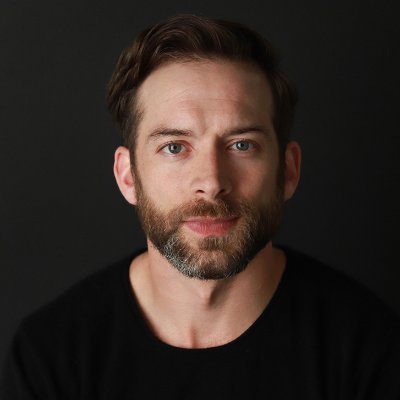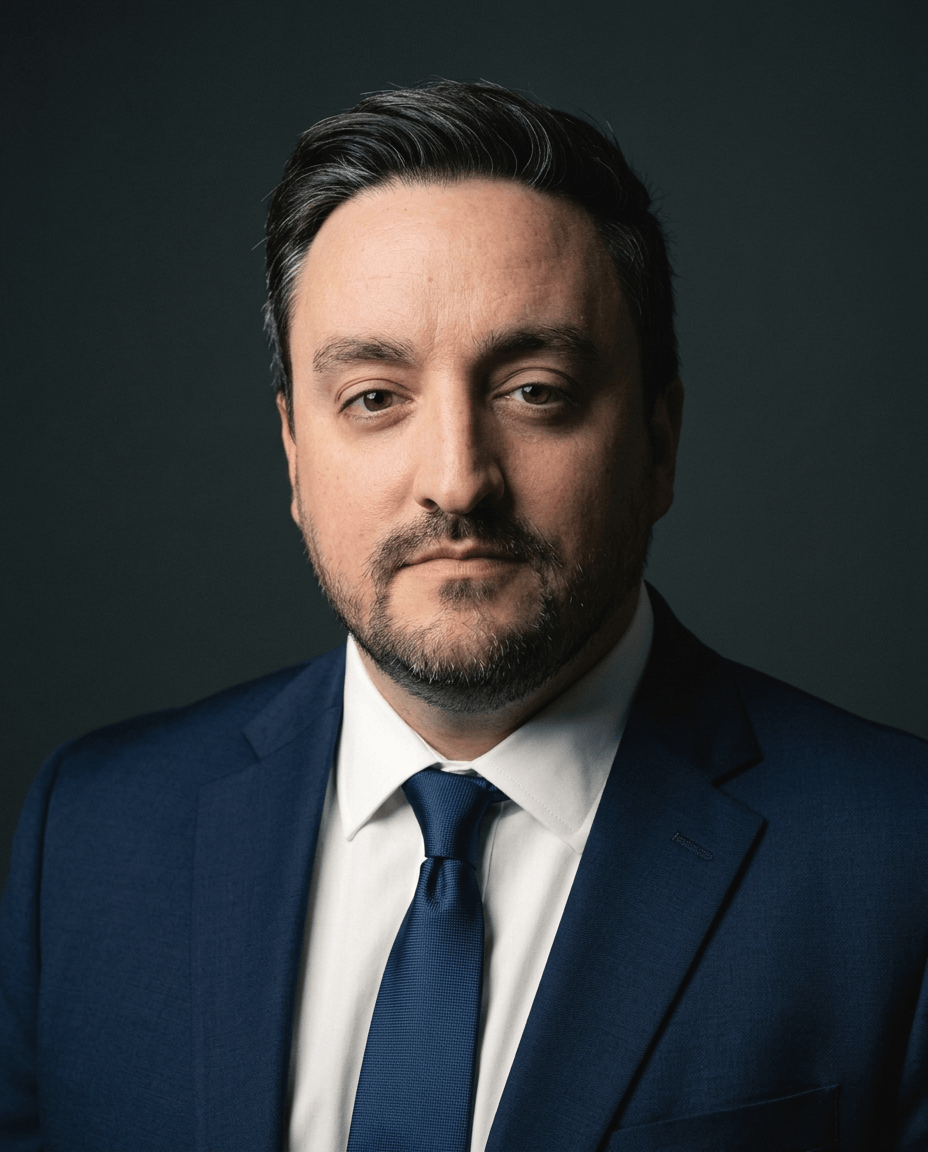
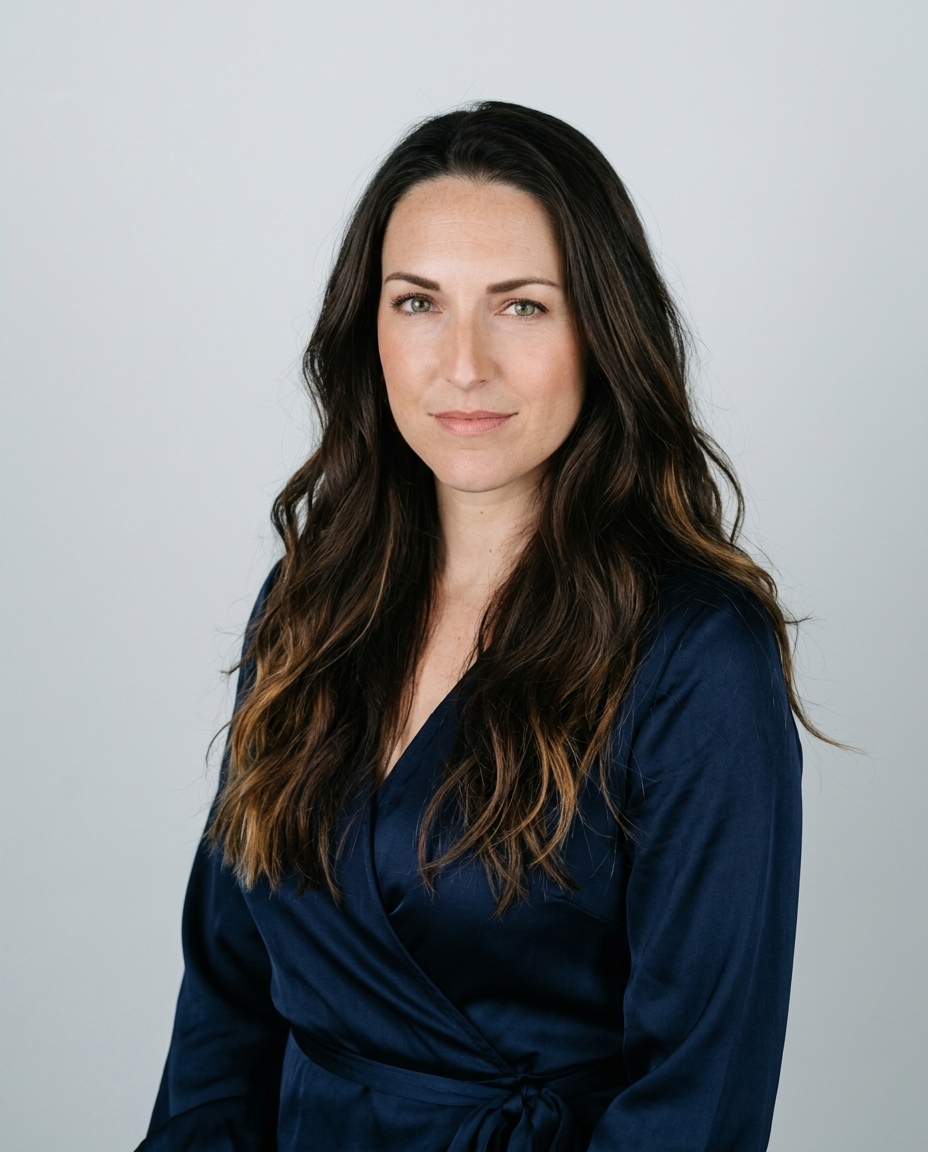
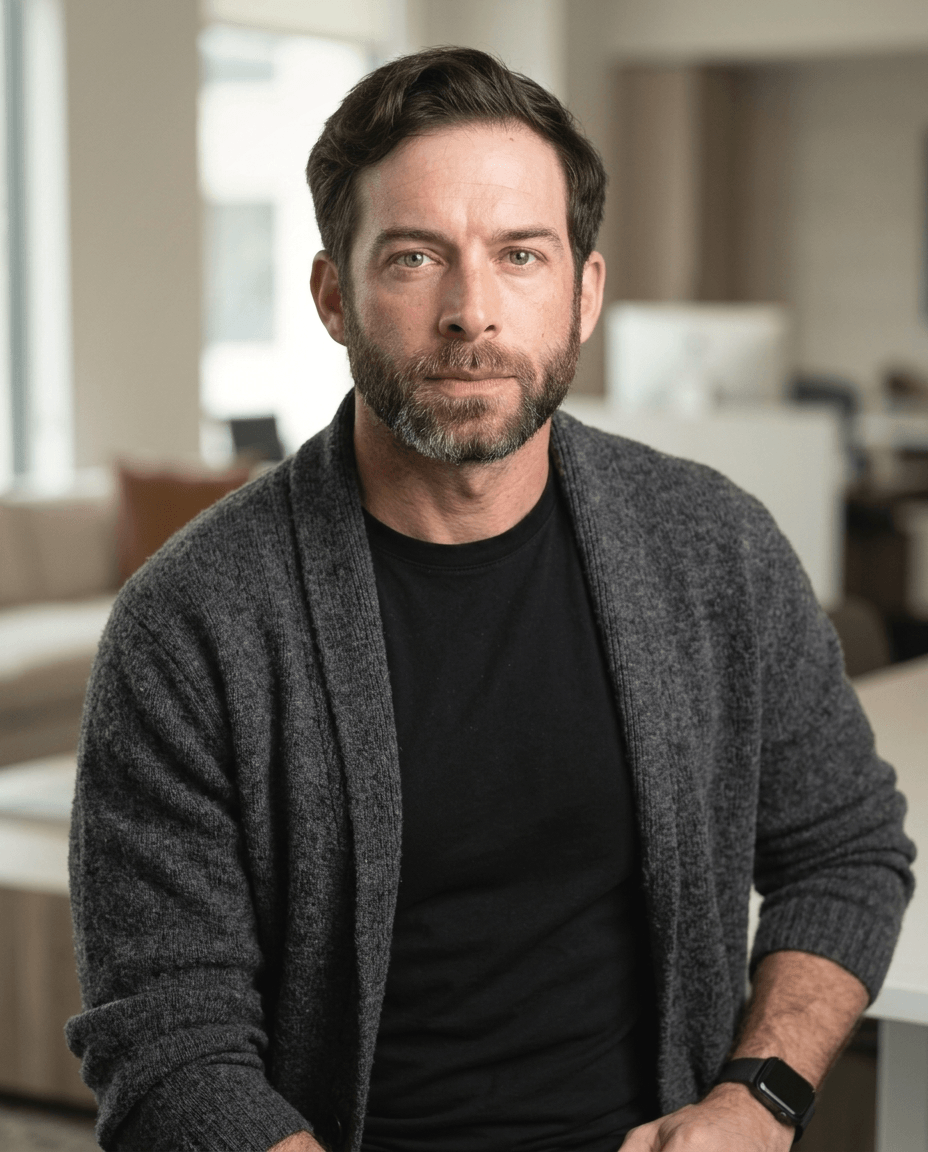
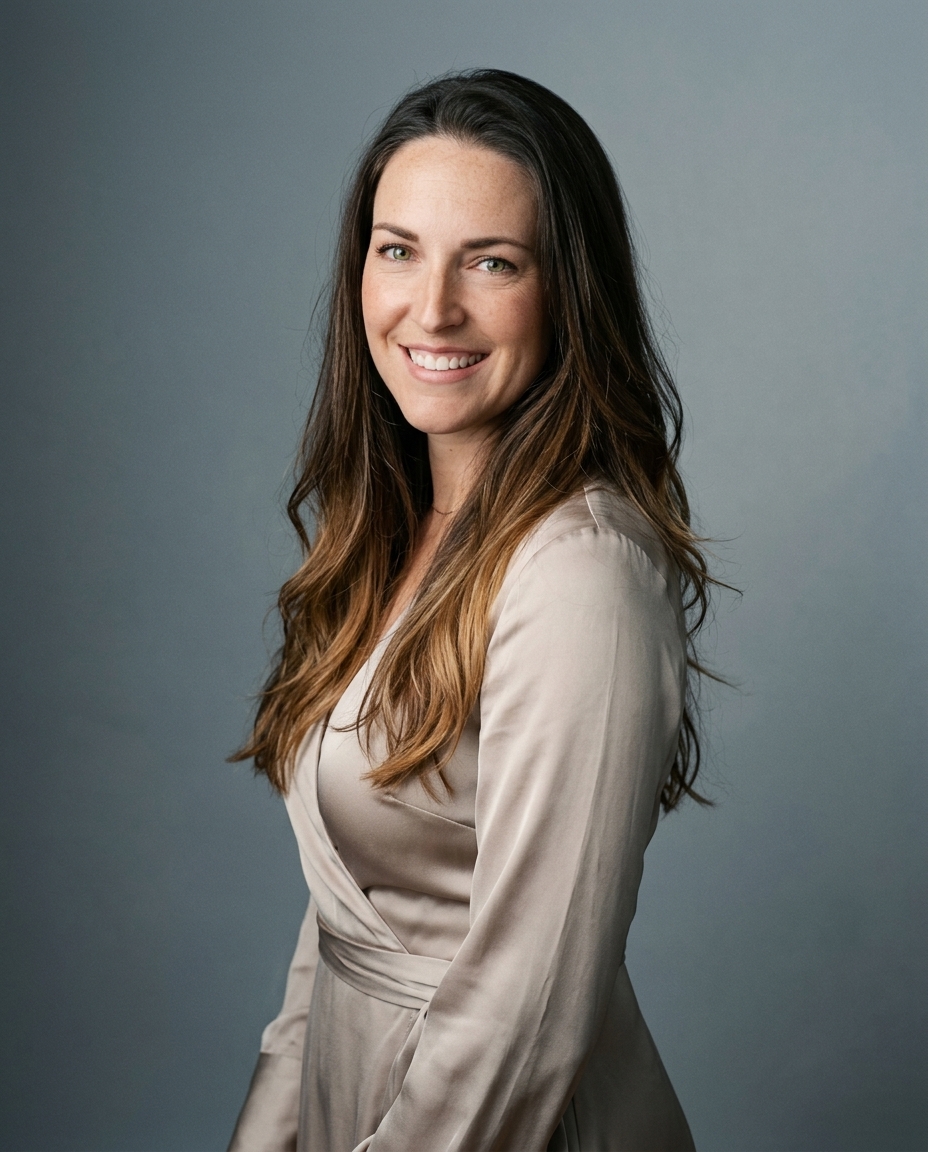

A LinkedIn headshot doesn't need to come from a physical studio to do its job. It needs to build trust fast, look like you, and hold up under scrutiny. That's why AI headshots for LinkedIn have taken off. The quality is now good enough that recruiter attention goes to the image itself, not how it was made. Survey-based reporting for 2026 said 73% of recruiters couldn't distinguish AI headshots from professional photos, and 89% said photo quality matters more than the photo source in that same research stream (AI headshot statistics).
We come at this from the photography side, not the software side. Studio Pod has photographed real professionals since 2019, and that changes how we think about AI portraits. The craft still decides the result. Lighting decides shape. Expression decides approachability. Wardrobe decides context. If you control those inputs, AI can produce a headshot that looks polished and credible. If you ignore them, it looks synthetic.
Table of Contents
- Why your LinkedIn headshot still matters
- How to take selfies our AI system can actually use
- Directing your AI photoshoot
- Curating your final headshots
- Preparing your photo for LinkedIn
- The honest truth about AI headshot ethics
Why your LinkedIn headshot still matters
A professional headshot has one job. It has to make you look credible, current, and easy to trust.
That was true when every portrait came from a photographer's studio. It's still true now. The tool changed. The visual standard didn't.
LinkedIn-related reporting states that profiles with a professional photo receive 14x more views than profiles without one, and the same market comparison puts a traditional one-hour professional session at about $250 while AI-generated LinkedIn headshots start at about $35 for a full set (LinkedIn headshot market comparison). That gap explains the shift. A lot of professionals want better photos. They just don't want to book a studio, coordinate a schedule, and pay photographer rates to get there.

Studio pricing still makes sense in plenty of cases, especially for teams, executives, and brand photography. We know that firsthand because we've shot those sessions. But for an individual LinkedIn profile, comparison is often between using an outdated photo, using no photo, or generating a clean new one from your phone.
A strong headshot doesn't sell glamour. It sells recognition. People should feel they've already met you when they land on your profile.
That matters beyond LinkedIn itself. Hiring managers, recruiters, and clients usually see your profile as one part of a broader online impression. If you want a useful companion read on that bigger picture, this piece on Digital Footprint Check on career opportunities is worth your time.
There's also a practical pricing reality. A photographer's day rate often lands in the $300–$600+ range once you move beyond a basic quick session. That's fair for custom work. It's also out of reach for a lot of job seekers and small teams. A $29 starting point changes the decision. It makes a polished image accessible before the profile is fully dialed in.
How to take selfies our AI system can actually use
Most bad AI headshots don't fail at the generation stage. They fail in the upload stage.
The source-photo set does the heavy lifting. One independent guide recommends uploading 15–20 recent images with clear face visibility, varied angles, and varied lighting, while avoiding filters, sunglasses, hats, and distant group shots because the system can only reproduce what exists in the inputs (input photo guidance for LinkedIn AI headshots).

What good upload photos look like
Think like a photographer, not like a selfie taker. Your phone photos should show stable facial structure across different angles and expressions.
A window is your friend. Stand facing soft daylight, not direct sun. You want even light across both sides of the face so the system can read your features cleanly. Overhead kitchen lighting usually creates eye shadows and texture problems. Car selfies tend to produce mixed color and hard shadows.
Use recent photos only. If your hairstyle, beard, makeup, glasses, or weight has changed, older photos dilute the likeness.
Practical rule: Give the system consistency in identity and variety in viewpoint.
The mix that works
Across our photography work, the best upload sets usually include a range of framing and a narrow range of personal appearance. You want variation in camera angle, not variation in who you look like.
Here's the only checklist you need:
- Use 10–20 recent selfies. Keep your face clear and large enough in frame.
- Include angle variety. Front-facing, slight left and right turns, and a few side angles help preserve facial structure.
- Change expressions slightly. Neutral, slight smile, and broader smile all help. Don't upload twenty copies of the same face.
- Keep your look consistent. Same haircut, similar grooming, and similar makeup level across the set.
- Reject bad inputs hard. No sunglasses, hats, beauty filters, heavy blur, distant group shots, or images with your face partly hidden.
If you want platform-specific upload guidance before you start, use the selfie upload instructions.
A final craft note. AI headshots for LinkedIn work best when your input photos feel ordinary, not styled. You are not trying to impress the system. You are trying to describe your face accurately.
Directing your AI photoshoot
Once the uploads are right, the next job is art direction.
This is the part most AI headshot guides skip. They talk about speed and price. They don't talk enough about what makes one headshot useful and another forgettable. Photographers think in choices. Background. Lens feel. Light direction. Wardrobe shape. Expression. You should do the same here.

Choose the setting before you choose the style
Start with context. Ask where this image will live and what it needs to signal.
A neutral studio background is the safest choice if you need one photo to work across LinkedIn, company bios, speaking pages, and email signatures. It keeps attention on the face and clothes. It also ages better than trend-driven office scenes.
A modern office background can work if your role benefits from environmental context. Consultants, real estate professionals, startup operators, and recruiters often do well with that look. But if the background competes with your face, it's a miss.
Wardrobe should match your market
Wardrobe is less about taste than fit with your industry. The right outfit says, “this person belongs in this room.”
A blazer and open-collar shirt read differently from a sweater or blouse. Law, finance, and executive roles generally benefit from cleaner structure. Tech, design, and coaching roles often look better with softer styling. None of this is about dressing up more than necessary. It's about avoiding visual friction.
If your real workday wardrobe is polished-casual, your headshot should stay in that lane. A costume damages trust faster than a simple outfit ever will.
For style exploration, LinkedIn headshot style examples show the range of looks professionals usually choose.
Direct the light, not just the clothes
Lighting changes how your face feels. Soft frontal light feels approachable. More directional light feels sharper and more editorial. Neither is automatically better.
In photography, we use light to decide whether a portrait should feel warm, authoritative, modern, or high-contrast. The same principle applies here. If you're unsure, choose softer and cleaner. LinkedIn is not the place for dramatic shadows unless your personal brand already leans heavily visual.
This is also where specific tools differ. HeadshotPro, BetterPic, Aragon, Secta, ProPhotos, and AiHeadshots all aim at professional portraits, but the outputs vary by styling controls, speed, and how consistently they preserve likeness. AiHeadshots is the product from Studio Pod, built by photographers, and it delivers 30+ studio-grade headshots in about 30 minutes from 10–20 phone selfies, which makes it one factual option in this category.
Curating your final headshots
A large set of outputs is useful only if you know how to edit ruthlessly.
That's how photographers work after a real session. We don't keep every frame. We cull for the few images that do the job. With AI headshots for LinkedIn, the review process matters just as much.

One reviewer reports that premium AI headshot tools can produce usable results in under an hour and at scales like 100 headshots for $24, while some workflows require 7–40 input photos and take 60 minutes to 48 hours depending on the platform and processing load (AI headshot turnaround and output benchmarks). The actual bottleneck isn't volume. It's judgment.
First pass, check likeness
Before you look at outfit or background, ask one question. Does this still look like you?
Not a more polished cousin. Not a younger version. Not a corporate avatar. You. If the bone structure, eyes, smile, or age impression feel off, reject it immediately. Don't talk yourself into it because the lighting looks expensive.
Second pass, check connection
The best LinkedIn headshots feel direct without looking stiff. Eyes matter most here. They should be clear, level, and engaged. Expression should feel controlled and natural.
Use this standard: if a colleague saw the image before seeing your name, would they recognize you right away and believe it belongs on a professional profile?
For a quick walkthrough of what that review process looks like in practice, watch this example:
Third pass, inspect the details
AI errors often hide in the edges. Zoom in.
Look at teeth, earrings, collars, shirt seams, glasses, and hairlines. Check whether one eye looks subtly different from the other. Check whether the jacket lapel folds correctly. If hands appear in frame, inspect them closely. Small glitches can survive at thumbnail size and become obvious once someone clicks through.
Don't pick the most impressive image. Pick the one that survives close inspection.
A broad selection pool helps because it gives you more chances to find the frame that gets all three right: likeness, connection, and clean detail. If your chosen tool offers a money-back guarantee, use that as quality protection, not as a reason to lower your standards.
Preparing your photo for LinkedIn
Your final image still needs a proper crop.
LinkedIn profile photos work best when the framing is square and the face is prominent. A loose crop makes you look distant. A tight crop creates recognition faster because people can read your expression. Keep a little space above the head, don't crop into the chin, and center the eyes in a natural position rather than forcing them too high.
LinkedIn's profile image specs are widely referenced as a minimum of 400x400 pixels, square format, and under 8MB. If you want a broader reference for profile image dimensions across platforms, Narrareach's profile image size guide is a useful practical bookmark.
If the background feels busy, clean it before upload. A simple neutral backdrop usually performs better than a distracting one for professional profiles, and a background remover tool can help simplify the frame.
One photographer's tip. Don't use the same thinking for your banner image that you use for your profile picture. Your profile photo should be face-first and direct. Your banner can carry context, brand colors, or a wider environmental image without competing with your face.
Upload 10 selfies, see your first headshot in 30 minutes, $29.
The honest truth about AI headshot ethics
The ethical line is simple. Your headshot has to be an honest representation of you.
That's the part some people get wrong. They treat AI as a makeover tool instead of a portrait tool. The result is a headshot that looks polished but not truthful. For LinkedIn, that's a credibility problem.
A recent industry article framed the issue correctly: the core question is whether an AI headshot will still “look like you” enough for recruiter screening. It also notes that LinkedIn requires profile photos to “reflect your likeness”, and images that don't comply may be removed (likeness and AI headshot credibility).
What crosses the line
A clean background isn't the issue. Better wardrobe styling isn't the issue. Skin cleanup within reason isn't the issue.
The problem starts when the portrait changes your identity. If the face shape shifts, the age changes too much, the body language stops matching how you present in real life, or the image turns you into a more “ideal” version of yourself, it stops being a professional headshot and starts being misrepresentation.
Use AI to improve the photograph. Don't use it to replace the person.
That standard also applies to review. If you hesitate because the image looks impressive but unfamiliar, trust that hesitation.
Privacy matters too
You're uploading personal photos, so privacy should be concrete, not vague. Our published retention windows are specific: 7-day input retention, 30-day output retention, and 90-day billing retention. That matters because consent and control are part of professional image-making too.
The larger point is this. AI headshots for LinkedIn are legitimate only when they preserve likeness, context, and trust. Photographers have always edited. We've always guided wardrobe, pose, and lighting. The ethical standard never changed. The final image still has to look like the person who walks into the meeting.
AiHeadshots comes from Studio Pod, a Houston headshot studio founded by photographers Joseph West and Hunter Casner. Upload 10 selfies, get 30+ studio-grade options in about 30 minutes, and review a result that's built around likeness, lighting, and professional credibility.