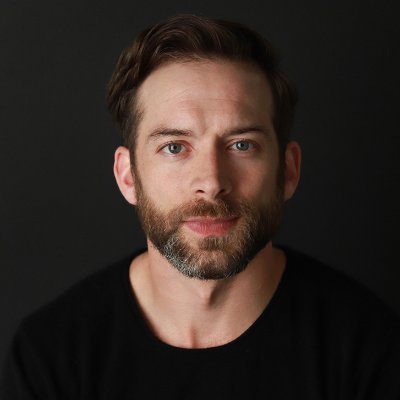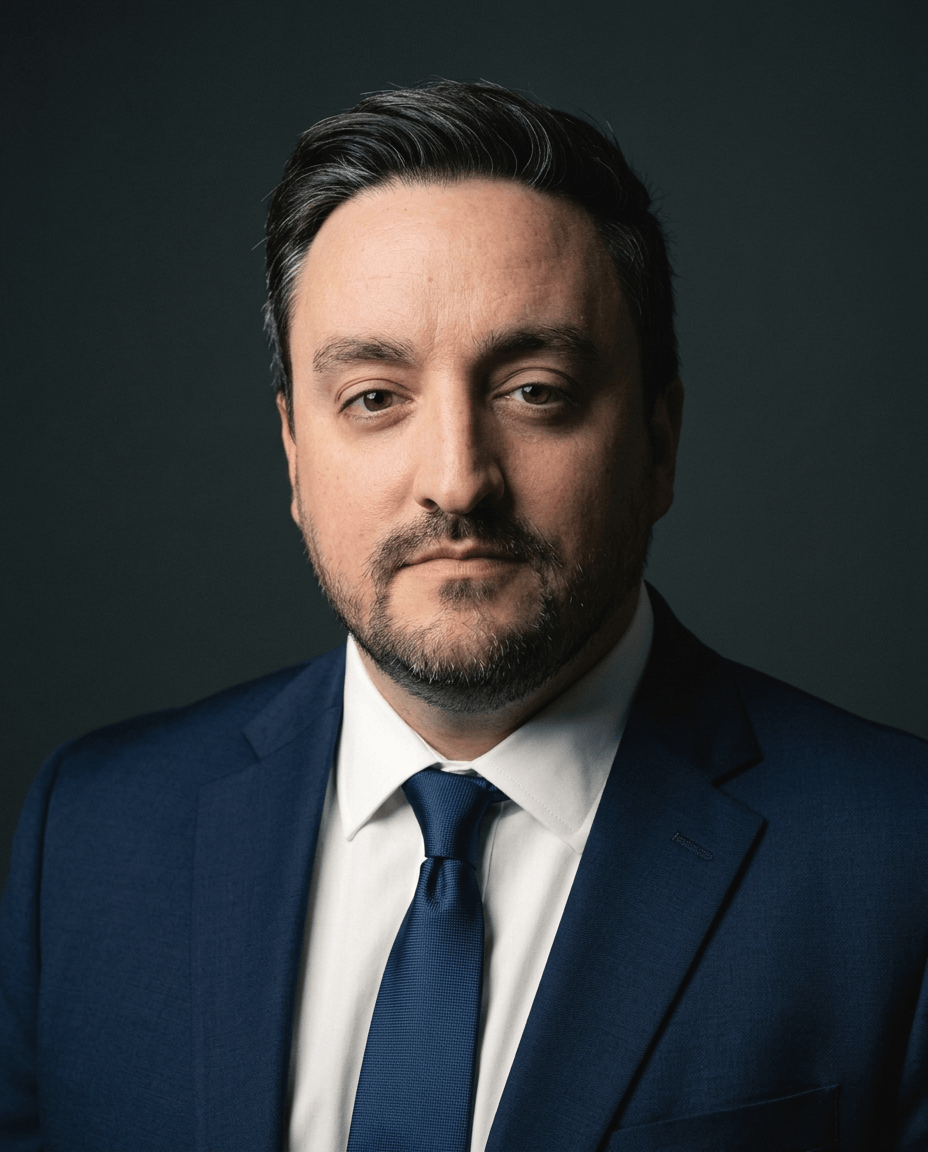
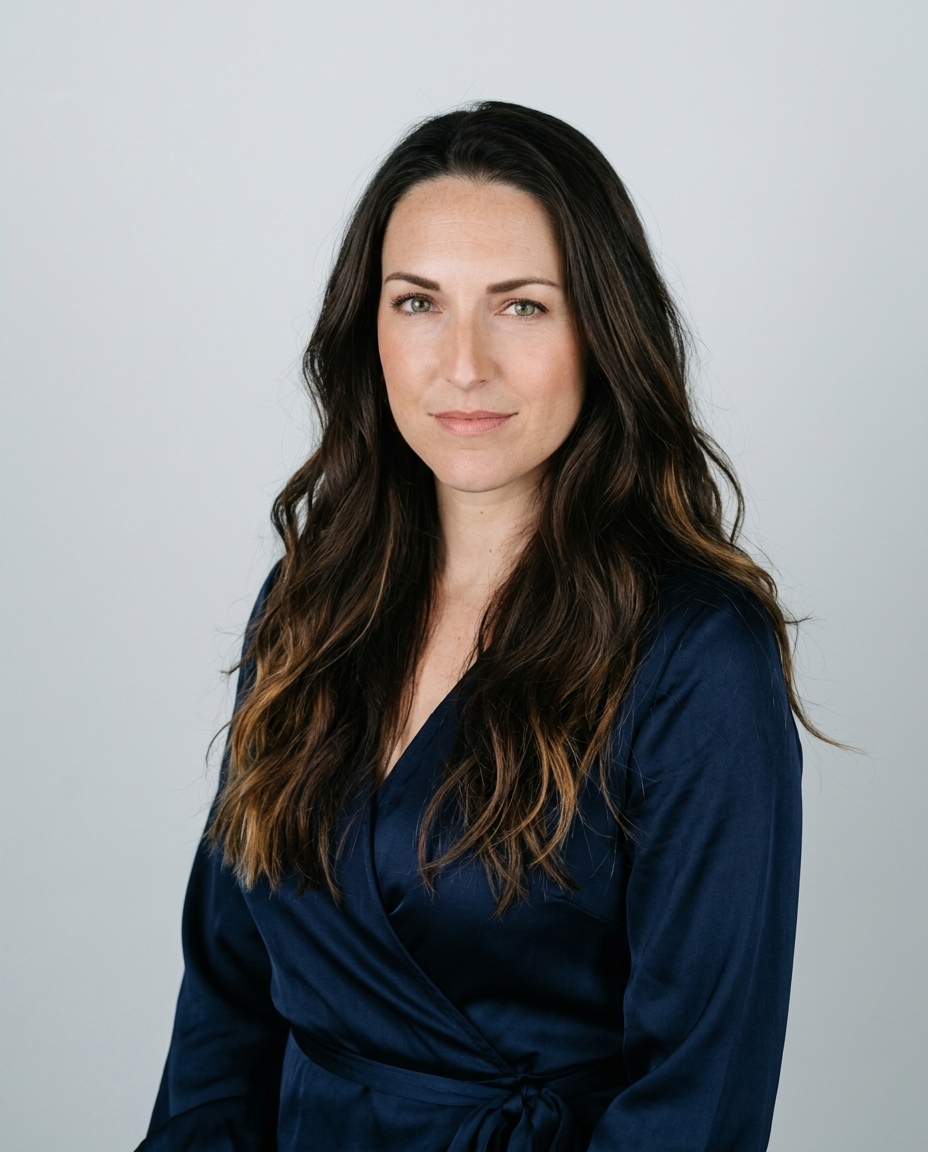
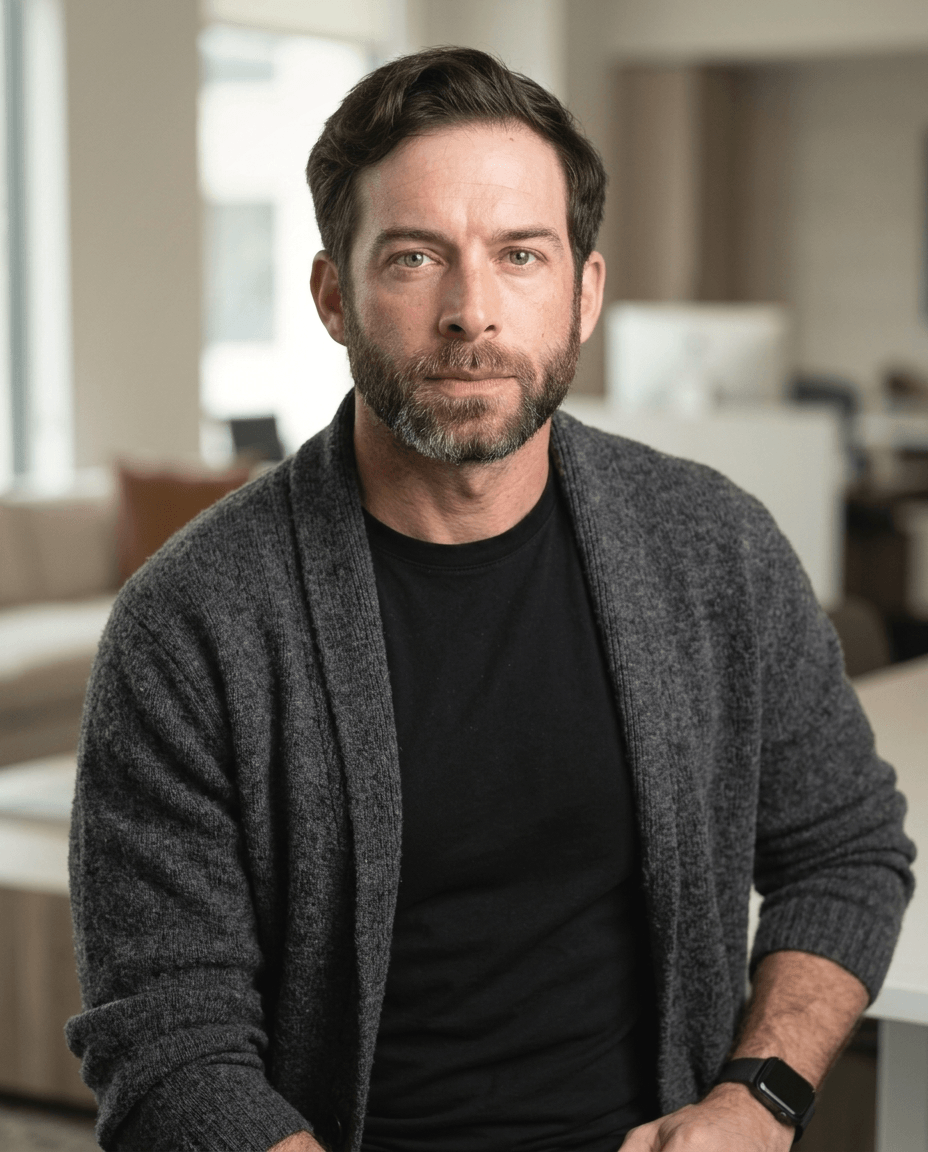

In New York City, professional actor headshots typically cost $500 to $1,200 and reputable photographers often have a 2 to 3 week lead time for new appointments, according to Jeremy Folmer's NYC actor headshot pricing guide. That's normal in this market. It's also why a $29 option that returns images in about 30 minutes changes the math for actors who need fresh material fast.
That gap surprises new actors. They assume the decision is about quality versus cheapness. It usually isn't. The primary decision is what you need the headshot to do right now. If you need a fully directed session, in-person coaching, and a photographer helping you find your face in real time, a traditional NYC shoot still has a clear place. If you need usable range, fast iteration, and a lower-risk way to build or refresh your portfolio, the smarter move is often the faster one.
We come at this from both sides. Studio Pod has photographed 10,000+ real professionals since 2019, and AiHeadshots came out of that background. We're photographers first. That matters because actor headshots aren't beauty portraits. They're working tools.
Table of Contents
- The two paths to a New York actor headshot
- Understanding the real cost of headshots in NYC
- How to research and book a traditional photographer
- Preparing your wardrobe, makeup, and poses
- What to expect from retouching and deliverables
- Putting your new headshots to work
The two paths to a New York actor headshot
The New York actor usually has two paths. Book a traditional photographer. Or use a modern AI workflow built for headshots. The mistake is treating this like a generic photo decision.
In actor headshots New York casting cares about casting-readability. That's the standard. One NYC photographer puts it plainly: “a great photo and a bookable headshot are not the same thing” in Valnova Photography's explanation of actor headshots. That's exactly right. A polished image that doesn't tell casting who you are, or what lane you book in, fails the job.

What traditional photographers do well
A strong NYC photographer does more than light your face. They direct expression. They adjust posture. They notice when you're trying too hard. They help you separate “friendly commercial,” “grounded theatrical,” and “specific character type” into distinct looks.
That in-person feedback matters most for actors who don't yet know their type, or who freeze the second a camera comes out.
Practical rule: If you need live coaching to stop performing and start reading as yourself, a traditional session earns its keep.
Traditional also makes sense when you're rebuilding your package from scratch. New rep. New age bracket. A major shift in type. A photographer can help shape that transition.
Where the faster path wins
The AI route wins when speed, iteration, and cost matter more than studio direction. That's not a niche case. It describes a lot of working actors.
If you already know your lanes, you don't always need a half-day built around discovery. You need clear options. You need enough variety to test what reads best on casting profiles. You need images that look like you now, not after weeks of scheduling.
That's where a photography-built system matters. We didn't arrive at this from software alone. We built AiHeadshots after years of directing real people in front of real cameras. The result is a workflow designed around what reads well in a headshot. If you want to see the process, the AiHeadshots workflow shows how it turns a small set of phone selfies into studio-style outputs.
The real decision
Don't ask, “Which one is more professional?” Ask, “What do I need this month?”
If you need hands-on direction, book the photographer.
If you need speed, multiple type-specific looks, and a lower-cost way to keep your materials current, the modern option is often the better business decision.
Understanding the real cost of headshots in NYC
NYC headshot pricing is rarely the final number an actor pays. The session fee gets attention. The usable package is what hits your budget.
If you book a traditional shoot, the bill usually grows once you add the pieces that make the photos casting-ready. More time in session often costs more. Retouching is often priced separately. Hair and makeup may be separate too. A lower entry price can still turn into a higher total if you need multiple looks and enough finished files to update your casting profiles properly.

Why the session fee can mislead
Actors new to the city often shop by the number they see first. That number is only the starting point.
What matters is the cost to walk away with images you will use. That means files that fit your current type, read well on casting sites, and give you enough range to submit without repeating the same shot everywhere. If a package sounds cheap but leaves you paying extra for every final image, the math changes fast.
Time is part of the price too. A traditional session can involve research, scheduling, prep, the shoot itself, proof review, retouching, and final delivery. Even when the experience is worth it, it is still a longer process. For a working actor who needs updated materials this week, that timeline matters just as much as the invoice.
Headshots also expire faster than actors expect. Your look changes. Your credits change. Your casting lane sharpens. In practice, this is ongoing portfolio maintenance.
What a faster workflow changes
AiHeadshots starts at $29 for the Basic tier. It delivers 30+ studio-grade headshots in about 30 minutes, using 10 to 20 phone selfies instead of a studio visit. The pricing is straightforward. Basic is $29, Professional is $39, Executive is $59, and teams pricing drops to $22 to $29 per seat for larger groups. There's also a 100% money-back guarantee within 14 days.
That changes the decision for a lot of NYC actors. If you need a full day of coaching and a photographer's eye on set, traditional still earns its place. If you already know your casting types and need fresh options quickly, a faster workflow can save both money and weeks of delay.
For a side-by-side breakdown of common price ranges and what you usually get at each level, our guide to headshot prices across traditional and AI options explains the trade-offs clearly.
Good headshots are a business expense. Smart actors choose the version that matches the job the photos need to do right now.
How to research and book a traditional photographer
If you're going the traditional route, don't choose a photographer from one beautiful image. Choose them from consistency.
A good portfolio shows the same level of control across many faces, ages, skin tones, and energy types. If every actor in the gallery starts to look like the photographer's brand instead of themselves, keep looking. You want someone who can shape a session around your type, not force you into theirs.
What to check before you book
Start with the gallery. Look for actors who feel specific, not generic. You should be able to guess what kinds of roles they'd be called in for. If every frame has the same expression, the same crop, and the same wardrobe logic, that's a warning sign.
Then look at process. One Manhattan-based photographer notes that the booking workflow is now handled 100% online, from consultation through scheduling and contracts, in Susan Stripling's overview of actor headshots in NYC. That's convenient, but it also means you need to ask sharper questions before paying the deposit.
A few good ones:
- Ask about type strategy. Do they talk about “looks,” casting categories, and where the images will be used?
- Ask how selection works. You need to know how proofs are delivered and how many finals are included.
- Ask what direction feels like. Some photographers coach actively. Others expect you to arrive camera-ready.
- Ask how honest the retouching is. Actor headshots need polish, but they still have to look like you walking into the room.
Style matters more than popularity
A photographer can be busy, talented, and wrong for you.
Some are stronger with commercial warmth. Some are stronger with theatrical intensity. Some are great at getting clean, open, honest frames that don't feel styled at all. Match the work to the lane you're trying to play.
If the portfolio makes everyone look expensive, but nobody looks castable, that's the wrong portfolio.
The upside of doing this research well is confidence. The downside is time. If you want to compare that process with a faster visual workflow, our headshot examples gallery shows the kind of range actors and professionals can review without weeks of coordination.
Preparing your wardrobe, makeup, and poses
Most actors overcomplicate prep. The strongest headshots usually come from simpler choices made with intent.

Clinton B Photography's actor workflow notes describe a pre-shoot strategy session followed by planning around four or five looks, while also noting that three looks is often the sweet spot. That tracks with what works in practice. One look is too limiting. Too many looks dilute the point.
Build looks around type, not fashion
Don't start with “What photographs well?” Start with “What do I book?”
If you read as approachable and sharp, one look might be clean and commercial. If you also book heavier dramatic material, another look should shift tone without turning into costume. Good wardrobe changes signal a category. They don't scream one.
A few standards hold up:
- Solid colors beat busy patterns. Texture is fine. Distraction isn't.
- Necklines matter. They change authority, openness, and age read more than most actors realize.
- Fit beats trend. If the shirt pulls, swallows you, or needs constant adjustment, it will show.
If you need a reset on practical basics, Cedar & Lily style staples are a useful reference for building simple, camera-friendly options without turning the session into a fashion project.
Keep makeup and grooming honest
The goal is camera-ready, not transformed. Casting wants to recognize you when you walk in.
Makeup should clean up shine, even tone, and define features lightly. Hair should look intentional but familiar. If you never wear heavy glam in the room, don't put it in the headshot.
Your best actor headshot is usually one small step more polished than your everyday self, not five steps removed.
If you're working from selfies instead of a studio session, prep still matters. Better inputs produce better outputs. A strong guide for that is our selfie prep guide, especially for wardrobe variety, angles, and expression changes.
Here's a good pacing reference before you shoot:
Posing is really expression control
Actors get into trouble when they “pose” instead of connect. A headshot isn't about dramatic body language. It's about micro-expression, eye line, and tension control around the mouth.
Practice smaller shifts. Warm. Wry. Guarded. Open. Don't perform a scene. Give the camera a person.
That applies to studio sessions and selfie-based workflows alike. The more clearly you can separate looks with expression, the more useful your final set becomes.
What to expect from retouching and deliverables
The session isn't the finish line. Delivery is where a lot of actor frustration starts.
With a traditional NYC photographer, the usual sequence is proof gallery first, then selects, then retouching, then final delivery. That can work well. It also means the images you ultimately use often come down to a small number of finals, especially if retouching is limited or priced separately.
What good retouching should do
Retouching should remove distractions, not personality. Clean up temporary blemishes. Tame under-eye fatigue if it's pulling focus. Keep skin texture. Keep the face recognizable.
If the final file looks like a beauty ad, it's probably doing too much for acting submissions.
The right retouch says, “You on a good day.” The wrong retouch says, “Someone adjacent to you.”
The practical issue isn't only style. It's volume. Actors often need options. One image for commercial profiles. Another for theatrical submissions. Another that reads younger, warmer, or more grounded. If every extra usable file becomes a separate decision, the workflow gets slow fast.
Why speed and volume matter
AiHeadshots solves a different part of the problem. Instead of waiting through a proofing cycle, you receive 30+ studio-grade headshots in about 30 minutes. That gives actors room to compare, test, and swap images across platforms without rationing every choice.

That speed matters more than people admit. A portfolio is easier to improve when you can review multiple directions in one sitting instead of stretching decisions across weeks. It's also why our system has become useful far beyond actors. AiHeadshots has served 30,000+ customers, delivered 255,000+ headshots, and holds a 4.9★ rating. Full image rights are included, and the process is built to be low-friction from upload to download. If you want to see the range, our customer reviews are a better place to judge than marketing copy.
Putting your new headshots to work
A headshot has no value sitting in a downloads folder. It starts working when you replace old images everywhere casting, reps, and collaborators see you.
For most actors, that means updating your main casting profiles first. Then your personal site. Then the professional platforms that still influence how people read your credibility.
Where to update first
Actors usually get the most immediate value from refreshing the places where submissions happen most often. That includes Actors Access, Backstage, and Casting Networks. After that, update your website, IMDb-related materials if relevant to your workflow, and LinkedIn if you use it professionally outside performance.
The key is consistency. If your casting profile shows one version of you and your website shows another from years ago, people notice. Not because they're checking dates, but because the package feels uneven.
Match the image to the platform
Don't use the exact same file everywhere by default.
Your primary casting image should be your clearest type read. Your website can support a slightly broader range. Social profiles can hold a version that feels more personal, as long as it still looks professional and current. Having multiple strong deliverables helps in this scenario. You're not forcing one image to carry every job.
A useful headshot does one thing well. It makes the next decision easy for the viewer. They know who you are, what lane you fit, and what they'd call you in for.
That's the standard. Not expensive. Not flashy. Clear.
Upload 10 selfies, see your first headshot in 30 minutes, and compare plans on AiHeadshots.