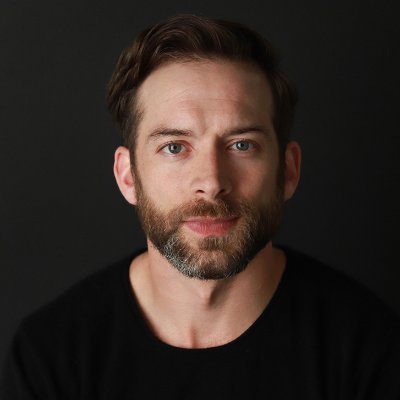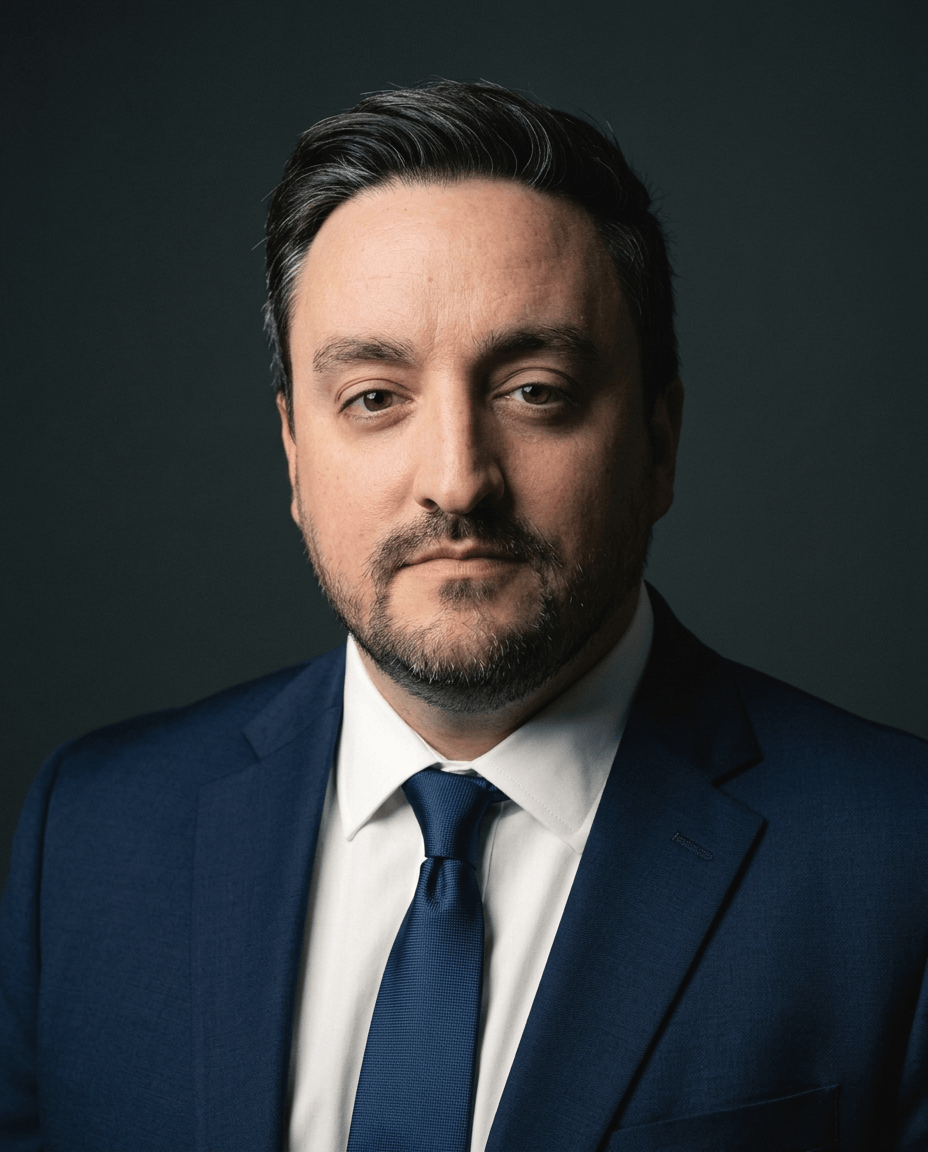
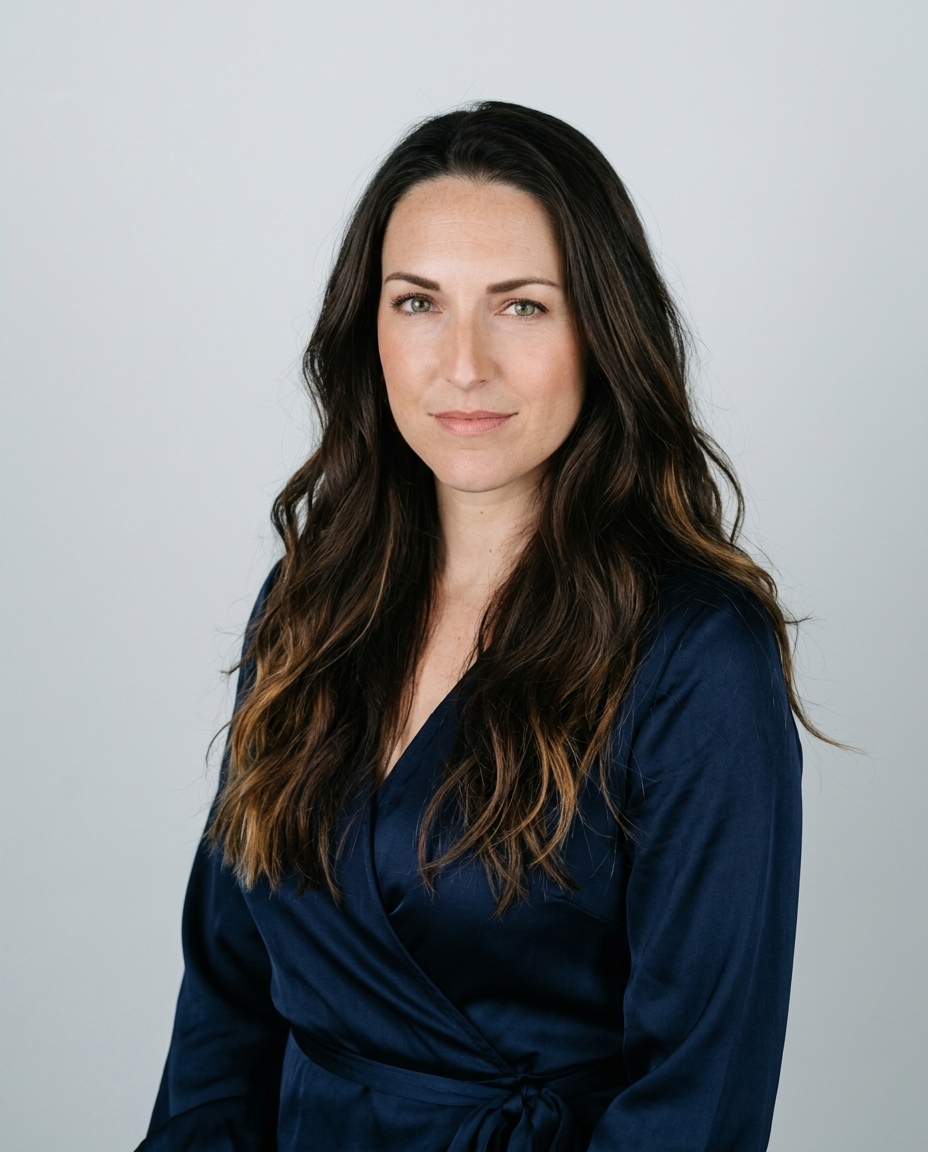
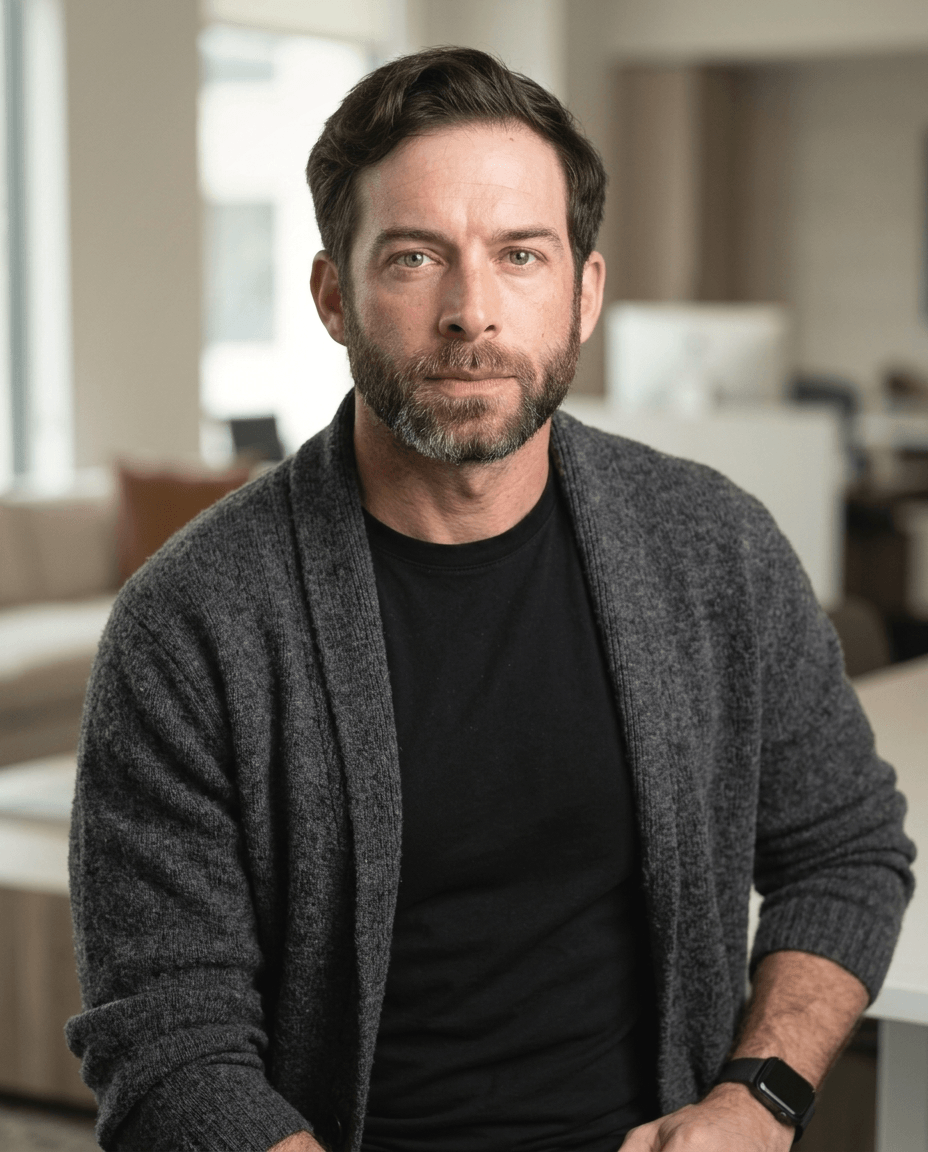

The surprising part about actor headshots in Atlanta is that cheaper isn't always the mistake. Wrong positioning is. A lower-cost image that shows a castable type will usually beat a polished photo that leaves casting guessing. In this market, actors often need separate commercial and theatrical looks, and session pricing varies based on time, look changes, retouching, and how many final selects you receive.
I've photographed enough actors to see the same problem repeat. People shop by price first, then wonder why the images do not get traction. The issue is rarely that the photo was not expensive enough. The issue is that the shot did not communicate age range, type, energy, and booking lane fast enough.
A headshot is a casting tool.
Atlanta makes that clearer than most markets. Productions move fast here, self-tapes are constant, and your first image has to read cleanly on a casting grid before anyone clicks. That is why I compare traditional sessions and AI headshots by usefulness, not hype. AI can help in specific situations, especially for testing options or cutting upfront cost, but it also has limits in consistency, wardrobe control, and believable expression.
The right choice depends on where you are in your career, what you need the images to do, and how much control you want over the result.
Table of Contents
- Your Atlanta headshot has one job
- Decoding the Atlanta headshot market
- Photographer vs AI which tool is right for you
- How to book a traditional photographer in Atlanta
- Getting professional results with AI headshots
- Wardrobe styling and session prep
- Understanding retouching and final delivery
Your Atlanta headshot has one job
Your Atlanta headshot has one job. Show casting a version of you they can place fast.
That standard is stricter than many actors expect. A strong image does not win because it is flattering. It wins because it reads clearly in a small thumbnail, fits a believable type, and still feels like the person who will walk into the audition room.
In Atlanta, that matters because submissions often span commercial and theatrical projects. Your photo needs to sell a lane without boxing you into one expression or one mood. If it reads as polished but vague, it slows the decision down. That is a problem.
What works
A working actor headshot in Atlanta does three things at once. It looks like you on a very good, very normal day. It points toward roles you can play right now. It gives casting enough truth to imagine you speaking.
Practical rule: If your photo says “nice photo” before it says “book this person for this role,” it isn't doing enough.
I tell actors to judge their headshot by casting utility, not by compliments from friends. “You look amazing” is nice. “You look like the detective, young mom, public defender, startup founder, or ICU nurse I need to bring in” gets auditions.
There are two legitimate ways to get there. You can build those looks in a traditional session with direction, wardrobe changes, lens choice, and expression coaching. Or you can use an AI headshot tool carefully, with strong source images and tight control over styling. Both options can produce usable results. Both can also fail fast if the image feels generic, over-retouched, or slightly unlike you.
That is the bar. Recognizable, castable, current.
Decoding the Atlanta headshot market
Atlanta rewards clarity. Actors here usually need headshots that can cover more than one lane without looking overproduced, and that changes how I'd budget the session.
A one-look shoot can work for a quick refresh. It rarely gives an actor enough range for the way this market casts. The more practical setup is a two-to-three look session. One look usually handles commercial submission needs. A second can push more grounded or dramatic for theatrical. A third is useful if your booking range is split, for example teacher and nurse on one side, detective or caseworker on the other. I break down those trade-offs in more detail in this comparison of AI headshots vs hiring a photographer.

What Atlanta actors pay
The local price spread is real because photographers charge for different things. Some build the package around look count. Some build it around retouched selects. Some price lower up front, then charge more once you start adding edits.
The examples below are typical of how Atlanta photographers structure actor sessions. Joe Funk lists $350 for 3 looks and 3 edits, $450 for 4 looks and 6 edits, and $550 for 5 looks, 8 edits, and 1 slate shot. Steve Glass lists $300 for an acting session with 5 lightly retouched images and about 90 minutes of shoot time. As noted earlier in the article, Atlanta generally sits below New York on session pricing, but that lower entry point can tempt actors to book too little coverage.
That is where actors make the expensive mistake. They save money by booking one clean commercial look, then need a second session a few months later because they still do not have a believable theatrical option. Paying once for two or three usable lanes is usually cheaper than patching the problem later.
Side by side trade-offs
| Option | Typical cost | Time commitment | Control |
|---|---|---|---|
| One-look budget session | Lower upfront spend | Shorter session | Limited room to shift type once the setup is locked |
| Two-to-three look actor session | Mid-range for Atlanta actor photography | More prep, more wardrobe decisions, more on-set changes | Better odds of leaving with both commercial and theatrical options |
| AI workflow built from selfies | Lower than most full studio sessions | No travel, no studio booking | Fast and flexible, but the result depends heavily on source photos and careful curation |
I tell actors to price the session by usable final images, not by the lowest package on the page.
The useful question is: “Will this setup give me one strong commercial headshot and one strong theatrical headshot that both still look like me?”
Photographer vs AI which tool is right for you
A traditional photographer gives you live direction. That matters if you freeze up on camera, need expression coaching, or haven't figured out your casting lane yet. A strong actor-headshot photographer can spot when your “serious” face turns blank, when your smile goes salesy, or when a jacket changes you from public defender to tech founder.
AI gives you something different. It removes the studio visit, compresses the timeline, and lets you test looks fast. That's useful if you need options quickly, want to update old materials, or need a lower-cost way to build a first pass before investing in a full session.
Traditional photographer vs. AiHeadshots
| Factor | Traditional Atlanta Photographer | AiHeadshots |
|---|---|---|
| Cost | Commonly several hundred dollars for an actor session in Atlanta | Basic $29, Professional $39, Executive $59 |
| Input | In-person direction, wardrobe changes, live coaching | Upload 10 to 20 phone selfies |
| Session time | Travel, prep, shoot time, and later image review | No studio visit required |
| Delivery | Depends on photographer workflow and retouching queue | 30+ studio-grade headshots delivered in ~30 minutes |
| Variety | Built through actual wardrobe, lighting, and expression changes | Built from selfie input, styling choices, and generated looks |
| Best use case | Actors who want hands-on direction and custom shooting | Actors who need speed, affordability, and broad option volume |
Ask the question behind the question
If you're comparing tools, don't stop at price. Ask what problem you're solving.
If your issue is expression, direction helps. If your issue is that your current headshot is old, thin, or missing a second lane, speed and variety matter more. If you want a deeper comparison of the process differences, this photographer versus AI headshots breakdown lays out the practical distinctions.
A camera session is best when you need someone to direct you into the frame. An AI workflow is best when you already know what reads as you and need usable range fast.
Traditional sessions also have a hidden variable. Photographer skill isn't just lighting skill. It's casting literacy. Some photographers make everyone look polished. That's not the same thing as making you look bookable.
How to book a traditional photographer in Atlanta
The fastest way to waste money on actor headshots Atlanta is hiring someone who shoots clean portraits but doesn't understand actors. That pitfall is well known in the Atlanta market. Portfolios that make subjects look like “polished professionals” instead of specific characters create a type mismatch, and that mismatch leads to zero bookings because the image doesn't communicate target range. Keep that in mind if you're reviewing Atlanta actor headshot options.

What to check before you book
- Look for actors, not just attractive people. In the portfolio, can you tell who books coworker, detective, dad, prosecutor, nurse, rival, or unstable best friend.
- Ask how they separate commercial from theatrical reads. If the answer is vague, that's a problem.
- Check whether they can show multiple looks on one person. One actor, distinct lanes, still believable.
- Ask how much retouching is included. Not glamour retouching. Actor retouching.
- Clarify what you leave with. Looks, edits, session length, and how they help you choose.
The red flags are visual
Some portfolios are full of strong lighting and weak casting sense. The photos are smooth, expensive-looking, and dead on arrival for submissions. You don't need a photographer to prove they can make you look successful. You need them to prove they can make you look castable.
If every actor in the portfolio has the same confident half-smile and the same cropped jacket shot, keep moving.
Even if you go the traditional route, think like a photographer before the session. Gather reference images of your own face in different moods. Pay attention to which expressions feel natural and which ones look pushed. That same discipline matters in AI workflows too, because image quality starts with honest source material.
Getting professional results with AI headshots
AI headshots work best when the input behaves like a contact sheet, not like a selfie dump. For actor headshots Atlanta, the threshold that matters is 10 to 20 varied phone selfies, with casual styling, good light, and different angles, as explained in the AiHeadshots upload guide.

That number isn't arbitrary. A photographer learns your face by seeing it under changing conditions. Front light shows skin and shape differently than window side light. A slight turn changes jawline, eye spacing, and expression. A neutral face, a soft smile, and a more guarded look each communicate something different. Good AI output depends on the same visual truth.
What your selfies need to show
Use natural light when you can. Window light is ideal because it gives shape without harshness. Mix straight-on frames with slight left and right turns. Keep your phone at or just above eye level. Don't submit ten versions of the same bathroom mirror angle.
Wardrobe should stay simple. Solid colors read better than patterns. Jewel tones usually hold up well because they separate cleanly from skin. Necklines matter more than people think. A crew neck feels different from a V-neck, and a collar instantly shifts type. Use that on purpose.
What to avoid
Heavy makeup, filters, sunglasses, hats, and exaggerated expressions get in the way. So do group photos, blurry shots, and images where your face is partially hidden by hair or shadow. The point is to teach the system what your face really does.
Here's a quick visual walkthrough:
Where AI is strong and where it isn't
The upside is obvious. AiHeadshots comes from Studio Pod, an automated headshot studio in Houston founded by photographers Joseph West and Chris Bailey. That matters because the product was built from real shooting experience, not by a software team retrofitting generic image models. The service offers 30+ studio-grade headshots in about 30 minutes, with pricing at $29, $39, and $59, plus team pricing for larger groups. It also states 30,000+ customers served, 255,000+ headshots delivered, and a 4.9★ rating.
The trade-off is just as real. AI won't replace a great on-set acting coach with a camera. It won't tell you in the moment that your chin is too far forward or that your “intense” look reads sleepy. You still have to curate. You still have to reject images that don't feel like your casting reality.
Wardrobe styling and session prep
Wardrobe should support your face, not compete with it. That rule holds whether you're stepping into a studio or building source images for AI.
Solid colors do the job. Layers help because they create small shifts in type without turning the image into a costume. A dark jacket over a simple top can push you toward authority. A softer knit can relax the read. Logos, busy patterns, and trend-heavy pieces date fast and pull attention away from your eyes. You can review examples of what reads cleanly in these actor headshot samples.
The prep that changes the frame
Hair should look like your normal best. Not event hair. Makeup should correct, not transform. If you wear facial hair, make a decision and commit to the version of you that walks into auditions.
Rest matters because tired eyes flatten everything. Hydration helps skin. Last-minute experimentation usually backfires.
Bring clothes for character lanes, not fashion variety. One top for warmth. One for authority. One with more edge, if that matches your casting.
There's also one hard line on editing. 87% of casting professionals reject heavily retouched headshots with excessive filtering or digital manipulation, according to Capturely's acting headshot guidance. The standard that works is closer to family-portrait retouching: clean stray hairs, even skin tone, and preserve recognition. That's the difference between polish and disguise.
Understanding retouching and final delivery
Retouching should finish the image, not rewrite your face.
That's where many actor headshots Atlanta fall apart. Over-editing kills trust. Casting wants the person in the room to match the person in the file. The rejection rule is blunt. 87% of casting professionals explicitly reject headshots with excessive filtering or digital manipulation, and that's the right benchmark to keep in mind as you review finals.
The practical standard is simple. Remove distractions. Keep texture. Keep shape. Keep the expression intact. If the eyes are brighter but the person is still unmistakably you, that's good retouching.
Delivery matters too. Traditional photography usually asks for scheduling, a shoot date, image review, and retouching turnaround. AiHeadshots takes a different route, with 30+ studio-grade headshots in about 30 minutes, plus a 14-day, 100% money-back guarantee and free regeneration if the first pack misses. The service also states its retention windows clearly: 7-day input retention, 30-day output retention, and 90-day billing retention.
Upload 10 selfies, see your first headshot in 30 minutes for $29 with AiHeadshots.